Yellow leaves are one of the most common problems gardeners notice. You may see a single yellow leaf near the bottom of a plant, or you may suddenly notice several leaves changing color at once. Sometimes the cause is simple, such as an older leaf naturally reaching the end of its life. In other situations, …
Keeping garden beds free of weeds can feel like a never-ending task. You remove a few unwanted plants, and a week later, new ones appear between flowers, vegetables, shrubs, or herbs. The challenge becomes greater when plants are growing close together. Pull too aggressively and you may disturb a nearby plant’s roots. Use the wrong …
Introduction Finding holes in leaves, wilted seedlings, or sticky residue on healthy plants can be frustrating, especially after weeks of careful watering and maintenance. Garden pests are a normal part of growing vegetables, flowers, herbs, and ornamental plants, but they don’t always mean your garden is in trouble. In many cases, small pest populations can …
Finding holes in your leaves, chewed vegetables, or clusters of tiny insects can be discouraging after you’ve spent weeks caring for your garden. The good news is that pests are a normal part of gardening, and a few insects don’t necessarily mean your plants are in trouble. Many home gardeners immediately reach for chemical sprays …
Understanding Why Plants Become Unhealthy Growing plants can be rewarding, but even experienced gardeners sometimes face problems such as yellow leaves, slow growth, wilting, pests, or damaged stems. When a plant looks unhealthy, the cause is not always obvious. Plants can become stressed because of improper watering, poor soil conditions, lack of sunlight, temperature changes, …
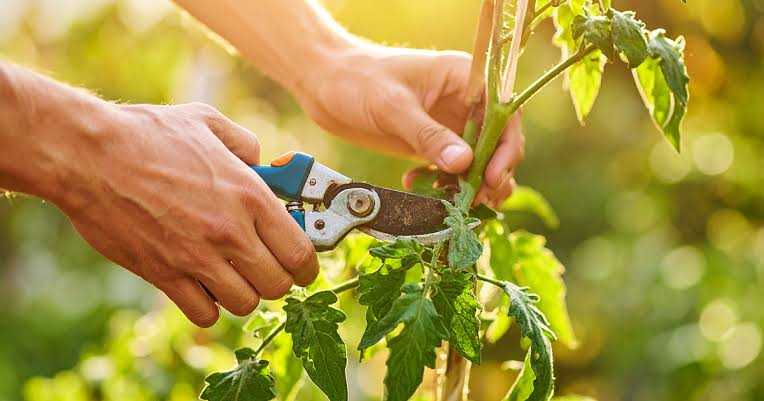
I still remember the morning I walked out to my container tomato plants and found the leaves stippled with tiny yellow dots, like someone had taken a needle and punched holes through every surface. I flipped a leaf over, and there they were—dozens of spider mites, barely visible, moving like grains of sand in a …
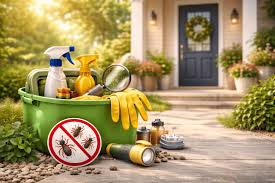
The Day I Realized “Small Problems” Turn Into Big Ones Fast I still remember noticing a few tiny ants in my kitchen one evening. I ignored them. “Just a few,” I thought. A week later, they had formed trails across the counter. Then came fruit flies. Then a strange smell from stored grains. What started …
I, Falak, learned something the hard way: plant problems rarely appear suddenly. They usually build quietly—leaf by leaf, spot by spot, until one day you realize the plant has been struggling for longer than you noticed. At first, I used to react only when damage was already visible. Yellow leaves, sticky residue, sudden drooping. I …
Healthy plants don’t just depend on what you do above the soil—they rely heavily on what’s happening below it. Many common gardening problems, from fungal diseases to pest infestations, actually begin in the soil. And while fertilizers and watering routines get most of the attention, there’s one simple technique that quietly protects plants at the …
It is a frustrating moment for any plant lover: you go to water your favorite fern or check on your balcony tomatoes, only to find the leaves riddled with holes or covered in a strange, sticky residue. In the UK, our damp and mild climate is a playground for pests like aphids, fungus gnats, and …