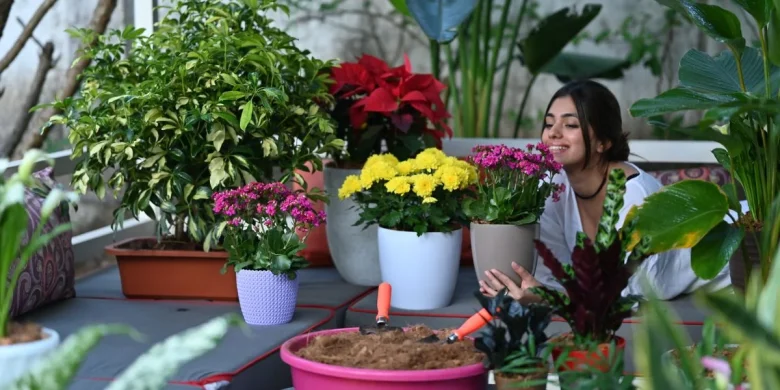
Plant care and maintenance is not just a hobby—it is a calming, rewarding skill that improves your living space and even your mood. Whether you are growing indoor houseplants or maintaining a garden, healthy plants depend on consistent care, not complicated techniques.
Many beginners struggle with plants dying too quickly, yellow leaves, or slow growth. In most cases, the problem is not lack of effort—it is missing the basics like proper watering, light, or soil care.
This guide will help you understand plant care in a simple, practical way so your plants can stay healthy, green, and long-lasting.
What Plant Care & Maintenance Really Means
Plant care refers to all the actions needed to keep plants alive and thriving.
It includes:
- Watering properly
- Providing sunlight
- Using suitable soil
- Fertilizing when needed
- Protecting from pests and diseases
- Pruning and cleaning
In simple terms, plant care is about creating the right environment for growth.
Why Plant Care Is Important
Plants are living organisms that depend on care just like pets.
Key Benefits:
- Improves air quality
- Enhances home beauty
- Reduces stress and improves mood
- Supports better indoor environment
- Encourages responsibility and patience
Healthy plants also create a peaceful and refreshing atmosphere at home.
Understanding Basic Plant Needs
Every plant, whether indoor or outdoor, needs five basic things:
- Water
- Light
- Air
- Nutrients
- Proper space
If even one of these is missing or unbalanced, plant health can decline.
1. Watering Plants Properly
Watering is the most important part of plant care—but also the most commonly done incorrectly.
Common Mistakes:
- Overwatering
- Underwatering
- Watering on a fixed schedule without checking soil
Correct Approach:
- Check soil moisture before watering
- Water when top soil feels dry
- Avoid water stagnation in pots
Simple Tip:
Different plants have different water needs—there is no universal schedule.
2. Sunlight and Lighting Conditions
Sunlight is essential for plant growth.
Types of Light Needs:
Full Sun Plants:
Need 6–8 hours of direct sunlight.
Partial Shade Plants:
Prefer indirect or filtered light.
Low-Light Plants:
Can survive in indoor environments with minimal sunlight.
Common Mistake:
Placing all plants in the same lighting condition.
3. Choosing the Right Soil
Soil is the foundation of plant health.
Good Soil Should:
- Drain water properly
- Hold enough nutrients
- Allow air circulation
Basic Soil Types:
- Sandy soil (fast drainage)
- Clay soil (retains water)
- Loamy soil (balanced and ideal)
Healthy soil = healthy plant growth.
4. Fertilizing Plants
Plants need nutrients to grow strong.
Types of Fertilizers:
- Organic compost
- Liquid fertilizers
- Slow-release fertilizers
When to Fertilize:
- During active growth seasons
- Not too frequently
Warning:
Over-fertilizing can damage roots and slow growth.
5. Pruning and Trimming
Pruning helps plants grow better and stay healthy.
Benefits:
- Removes dead or damaged leaves
- Encourages new growth
- Improves plant shape
- Prevents disease spread
How to Do It:
- Use clean tools
- Cut only unhealthy or excess parts
- Avoid over-cutting
6. Pest and Disease Control
Plants can suffer from pests like insects or fungal infections.
Common Problems:
- Aphids
- Spider mites
- Fungus
- Leaf spots
Prevention Tips:
- Keep plants clean
- Avoid overwatering
- Ensure proper air circulation
- Inspect leaves regularly
Natural remedies like neem spray are often effective for mild issues.
Indoor Plant Care Tips
Indoor plants require special attention because they have limited natural conditions.
Key Tips:
- Rotate plants for even light exposure
- Avoid placing near direct heaters or AC
- Clean leaves regularly
- Use proper drainage pots
Popular indoor plants include snake plant, money plant, and peace lily.
Outdoor Plant Care Tips
Outdoor plants are exposed to natural conditions, so they need different care.
Key Tips:
- Protect from extreme weather
- Water based on climate
- Use mulch to retain soil moisture
- Monitor seasonal changes
Outdoor plants usually grow faster but need regular maintenance.
Seasonal Plant Care
Plants react differently in different seasons.
Summer:
- Water more frequently
- Avoid harsh midday sun
Winter:
- Reduce watering
- Protect from frost
Rainy Season:
- Avoid overwatering
- Ensure proper drainage
Seasonal adjustment is key to long-term plant health.
Common Plant Care Mistakes
1. Overwatering
The most common cause of plant death.
2. Ignoring Light Requirements
Wrong placement affects growth.
3. Using Poor Soil
Bad soil leads to weak plants.
4. Over-Fertilizing
Too much fertilizer harms roots.
5. Neglecting Regular Checks
Small issues can become big problems.
Simple Daily Plant Care Routine
Morning:
- Check soil moisture
- Ensure proper sunlight exposure
Weekly:
- Remove dead leaves
- Check for pests
Monthly:
- Fertilize if needed
- Inspect soil and repot if required
Consistency is more important than complexity.
Benefits of Proper Plant Care
When plants are well cared for, you will notice:
- Healthier and greener growth
- Longer plant lifespan
- Fewer pest issues
- Better home environment
- Improved mental well-being
Plants respond positively to regular attention.
FAQ: Plant Care & Maintenance
1. How often should I water plants?
Only when the soil feels dry; frequency depends on plant type and weather.
2. What is the best soil for plants?
Loamy soil is generally best because it balances drainage and nutrients.
3. Why are my plant leaves turning yellow?
Common reasons include overwatering, poor light, or nutrient deficiency.
4. Do indoor plants need sunlight?
Yes, but usually indirect or filtered sunlight is enough.
5. How do I protect plants from pests?
Regular cleaning, proper watering, and natural sprays like neem help prevent pests.
Conclusion
Plant care and maintenance is a simple but rewarding practice that brings life, beauty, and freshness into your surroundings. You don’t need advanced gardening knowledge—just consistent care and attention to basic needs like water, light, soil, and cleanliness.
When you understand what your plants need and respond regularly, they thrive naturally. Over time, plant care becomes less of a task and more of a relaxing daily habit that improves both your space and your mindset.