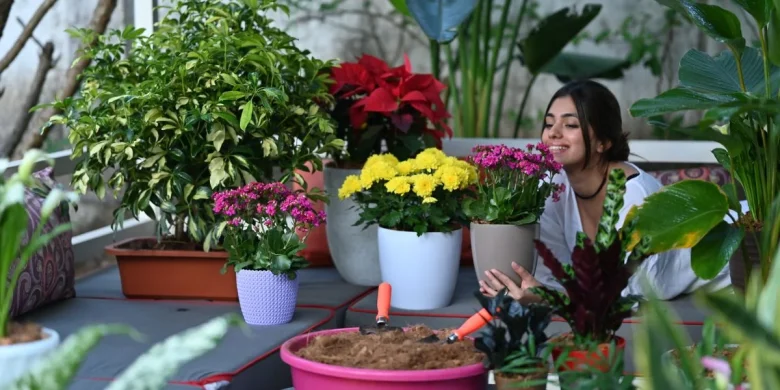
Plants can completely change the feel of a home or garden. They add color, freshness, and a calming atmosphere while improving the overall environment. But many beginners struggle with plant care because they either overdo it or ignore basic maintenance habits.
The truth is that most plants do not need complicated care routines. They simply need the right balance of water, sunlight, soil, airflow, and attention. Once you understand these basics, plant care becomes much easier and more enjoyable.
One of the biggest mistakes people make is treating every plant the same way. Different plants have different needs, and learning those small differences is often the key to keeping them healthy long term.
This guide explains practical plant care and maintenance tips for both indoor and outdoor plants, along with common problems and beginner-friendly solutions.
Table of Contents
- Why Plant Care Matters
- Understanding Different Types of Plants
- Watering Plants Properly
- Importance of Sunlight
- Choosing the Right Soil
- Fertilizers and Plant Nutrition
- Pruning and Maintenance Tips
- Common Plant Problems and Solutions
- Indoor vs Outdoor Plant Care
- Plant Care Comparison Table
- Common Plant Care Mistakes
- FAQ
- Conclusion
1. Why Plant Care Matters
Healthy plants need consistent care to grow properly.
Good maintenance helps:
- Improve plant growth
- Prevent diseases
- Keep leaves healthy
- Support flowering and fruiting
- Extend plant lifespan
Plants often show visible signs when something is wrong, which makes observation an important part of plant care.
2. Understanding Different Types of Plants
Not all plants need the same care.
Common categories:
- Indoor plants
- Outdoor garden plants
- Succulents and cacti
- Flowering plants
- Herbs and vegetables
For example, succulents need far less water than tropical indoor plants.
3. Watering Plants Properly
Watering is one of the most misunderstood parts of plant care.
Signs of overwatering:
- Yellow leaves
- Root rot
- Moldy soil
Signs of underwatering:
- Dry soil
- Drooping leaves
- Brown leaf edges
Helpful watering tips:
- Check soil before watering
- Water deeply but not constantly
- Ensure proper drainage
Most plants prefer slightly moist soil rather than constantly wet soil.
4. Importance of Sunlight
Sunlight is essential for plant growth because plants use it for photosynthesis.
Different light needs:
| Light Type | Suitable Plants |
|---|---|
| Full sunlight | Vegetables, flowering plants |
| Partial sunlight | Many herbs and indoor plants |
| Low light | Snake plant, pothos |
Too much or too little sunlight can damage plants.
5. Choosing the Right Soil
Healthy soil supports roots, drainage, and nutrients.
Good soil should:
- Drain properly
- Hold some moisture
- Contain nutrients
- Allow airflow to roots
Different plants often require different soil mixes.
6. Fertilizers and Plant Nutrition
Plants need nutrients to grow well.
Important nutrients:
- Nitrogen for leaf growth
- Phosphorus for roots and flowers
- Potassium for overall strength
Fertilizer tips:
- Avoid excessive fertilizer use
- Follow instructions carefully
- Feed during active growing seasons
Too much fertilizer can damage roots and leaves.
7. Pruning and Maintenance Tips
Pruning helps plants stay healthy and attractive.
Benefits of pruning:
- Removes dead leaves
- Encourages new growth
- Improves airflow
- Shapes the plant properly
Regular cleaning of leaves also helps plants absorb light better.
8. Common Plant Problems and Solutions
1. Yellow Leaves
Usually caused by overwatering or poor drainage.
2. Brown Leaf Tips
Can result from dry air or underwatering.
3. Slow Growth
May indicate poor light or nutrient deficiency.
4. Pests
Common pests include:
- Aphids
- Spider mites
- Mealybugs
Keeping plants clean helps reduce pest problems.
9. Indoor vs Outdoor Plant Care
| Factor | Indoor Plants | Outdoor Plants |
|---|---|---|
| Sunlight | Controlled | Natural exposure |
| Water Needs | Usually lower | Often higher |
| Temperature | Stable | Weather dependent |
| Pest Exposure | Lower | Higher |
Indoor plants usually require more attention to lighting and airflow.
10. Plant Care Comparison Table
| Care Element | Importance | Beginner Difficulty |
|---|---|---|
| Watering | Very High | Moderate |
| Sunlight | Very High | Easy |
| Soil Quality | High | Moderate |
| Fertilizing | Moderate | Moderate |
| Pruning | Moderate | Easy |
11. Common Plant Care Mistakes
1. Overwatering
One of the most common reasons plants die.
2. Ignoring Light Requirements
Wrong lighting weakens plant growth.
3. Using Poor Drainage Pots
Leads to root problems.
4. Overusing Fertilizer
Can burn roots and leaves.
5. Neglecting Maintenance
Dead leaves and pests spread quickly if ignored.
Simple Plant Maintenance Routine
| Task | Frequency |
|---|---|
| Check soil moisture | Every few days |
| Clean leaves | Weekly |
| Inspect for pests | Weekly |
| Fertilize | Monthly or seasonally |
| Prune dead leaves | As needed |
FAQ: Plant Care & Maintenance
1. How often should I water plants?
It depends on the plant type, soil, and environment.
2. Why are my plant leaves turning yellow?
Overwatering is a common reason.
3. Do indoor plants need sunlight?
Yes, even low-light plants still need some natural or indirect light.
4. Is fertilizer necessary?
Most plants benefit from occasional feeding during growth periods.
5. What is the easiest plant for beginners?
Snake plants and pothos are beginner-friendly options.
Conclusion
Plant care becomes much easier once you understand the basic needs of water, light, soil, and maintenance. Most healthy plants thrive with simple consistent care rather than constant attention.
Whether you grow indoor plants, herbs, flowers, or outdoor garden plants, the key is observation and balance. Small adjustments in watering, sunlight, or soil quality often solve most plant problems.
With patience and regular care, plants can remain healthy, attractive, and rewarding for many years.