A long period of hot and dry weather can put considerable stress on a garden. Soil dries faster, plants lose moisture more quickly, newly planted flowers can struggle, and lawns may begin to turn brown. Even established shrubs and trees can need closer attention when rain is absent for an extended period. The best time …
One of the biggest differences between a productive garden and a disappointing one often comes down to timing. Even healthy seeds and strong seedlings can struggle if they are planted during the wrong season. Every plant has preferred growing conditions, and matching those needs with your local weather greatly improves the chances of healthy growth …
One of the most common questions new gardeners ask is, “What should I plant right now?” It’s an important question because timing has a big impact on how well plants grow. Some vegetables thrive in cool weather, while others need long, warm days to produce healthy crops. Planting at the right time gives your garden …
Understanding Seasonal Gardening Growing plants throughout the year becomes much easier when you understand how seasons affect plant growth. Different vegetables, herbs, and flowers have different temperature preferences, and choosing the right plants for each season can lead to healthier crops and better harvests. A common gardening mistake is planting everything at the same time. …
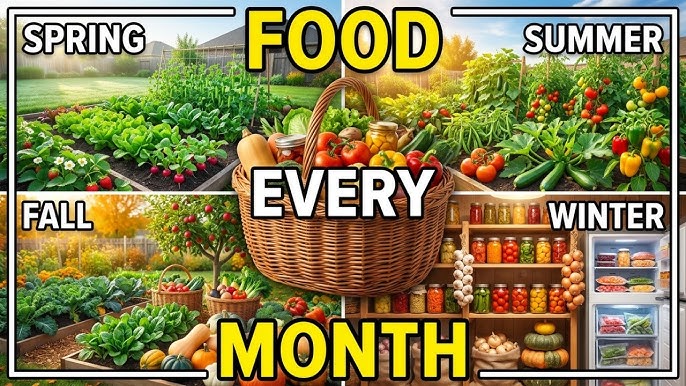
I used to treat gardening like a summer hobby. I would get excited in March, buy too many seedlings in April, plant everything in May, and then spend July through September in a panic of weeding, watering, and wondering why my lettuce had bolted into bitter towers while my tomatoes were still green in October. …
I used to think gardening was something you did in spring, harvested in summer, and completely forgot about by fall. I’d spend a frantic April weekend buying seedlings, shoving them into the ground, watering them religiously for three weeks, and then wondering why my tomatoes looked sickly by July while my neighbor’s vegetable patch looked …
There is nothing quite as discouraging as planting a garden full of hope, only to watch your seedlings sit frozen in time—neither dying nor growing. We’ve all been there: you’ve watered, you’ve weeded, and yet your garden looks exactly the same as it did three weeks ago. I remember my first vegetable patch; I couldn’t …
Watching a plant you brought home with high hopes slowly turn brown or wilt can be incredibly frustrating. I’ve been there—staring at a shriveled succulent and wondering where I went wrong when I followed every instruction on the little plastic tag. Over the years, I’ve learned that plants don’t just die for no reason; they …
Sudden temperature drops can feel surprising for gardeners because plants usually adjust slowly to seasonal changes. When the temperature falls quickly, outdoor plants often do not get enough time to adapt, which can lead to stress and visible damage. This is especially common during seasonal transitions like late autumn or unexpected cold fronts in spring. …
Transitioning garden layouts between summer and autumn is one of the most important yet often overlooked parts of seasonal gardening. As summer fades, gardens that once thrived with heat-loving plants begin to experience changes in sunlight, temperature, and moisture levels. This shift is not just about replacing plants; it is about rethinking the entire garden …