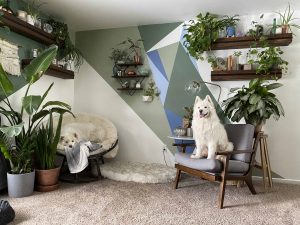
Adding plants to your home or garden can instantly make a space feel more welcoming, but many people worry they won’t have enough time or experience to keep them alive. Busy schedules, frequent travel, changing weather, and limited gardening knowledge often discourage people from decorating with living plants.
The good news is that many decorative plants are naturally resilient. They tolerate occasional missed watering, adapt to different lighting conditions, and continue looking attractive with only basic care. Choosing the right plant for the right location is usually far more important than having advanced gardening skills.
In many homes, struggling plants are not the result of neglect but of poor plant selection. A species that thrives in bright outdoor sunshine may quickly decline indoors, while a shade-loving plant can suffer in direct afternoon sun. Understanding these differences makes plant care much simpler and more enjoyable.
This guide explores some of the best low-maintenance decorative plants for both indoor and outdoor spaces. It explains how to choose plants based on your environment, provides realistic care advice, discusses common mistakes, and helps you create attractive green spaces without turning plant care into a daily chore.
Why Choose Low-Maintenance Decorative Plants?
Low-maintenance plants offer more than convenience. They make gardening accessible for beginners and help experienced gardeners reduce the time spent on routine care.
Benefits include:
- Less frequent watering.
- Fewer pruning requirements.
- Better tolerance of changing conditions.
- Attractive appearance throughout much of the year.
- Suitable for busy households.
- Lower replacement costs because healthy plants often live for many years.
While no plant is completely maintenance-free, choosing hardy varieties greatly increases the chances of long-term success.
What Makes a Plant Low Maintenance?
Several characteristics contribute to easy plant care.
Many low-maintenance plants:
- Grow steadily without constant pruning.
- Adapt to different light conditions.
- Recover well from occasional missed watering.
- Resist common pests better than delicate species.
- Do not require frequent fertilizing.
- Remain attractive throughout multiple seasons.
Understanding these traits helps you select plants that match your lifestyle rather than choosing them based only on appearance.
Factors to Consider Before Buying Plants
Before bringing home any decorative plant, think about the conditions where it will grow.
Important considerations include:
Available Light
Observe how much natural sunlight the location receives.
Some plants need bright direct sunlight, while others perform better in indirect light or shade.
Temperature
Indoor plants generally prefer stable temperatures.
Outdoor plants should match your local climate and seasonal conditions.
Watering Routine
If you travel often or have a busy schedule, choose plants that tolerate occasional dry periods.
Available Space
Remember that many small nursery plants continue growing over time.
Check mature plant sizes before choosing a location.
Best Low-Maintenance Indoor Decorative Plants
Snake Plant
Snake plants are among the easiest houseplants to grow.
Their upright leaves add a clean, modern look to living rooms, bedrooms, and offices.
Why It Works Well
- Tolerates low to bright indirect light.
- Needs infrequent watering.
- Handles dry indoor air well.
- Slow-growing and easy to manage.
Care Tips
Allow the soil to dry before watering again. Overwatering is one of the few problems that commonly affects snake plants.
ZZ Plant
The ZZ plant is well known for its glossy dark green leaves and excellent drought tolerance.
In many homes, it continues growing successfully even with occasional neglect.
Best Conditions
- Bright indirect light.
- Moderate room temperatures.
- Well-draining potting mix.
It can tolerate lower light levels, although growth may slow.
Pothos
Pothos produces trailing vines that work beautifully on shelves, hanging baskets, and bookcases.
Its cascading leaves soften indoor spaces without requiring much maintenance.
Advantages
- Fast-growing.
- Easy to propagate.
- Adapts to various light conditions.
- Requires only occasional pruning.
Peace Lily
Peace lilies offer attractive green foliage along with elegant white flowers.
Although they prefer consistent moisture, they often signal when they need water by gently drooping, making care easier for beginners.
Avoid leaving them in direct afternoon sunlight, which may scorch the leaves.
Spider Plant
Spider plants are popular because they adapt well to different homes and produce attractive arching leaves.
Healthy plants often develop small offshoots that can be replanted to grow new plants.
They perform well in bright indirect light with moderate watering.
Rubber Plant
Rubber plants create a bold decorative statement with their large glossy leaves.
Although they eventually become fairly large, they grow at a manageable pace indoors.
Regularly wiping dust from the leaves helps maintain their appearance and allows better light absorption.
Cast Iron Plant
Its name reflects its durability.
Cast iron plants tolerate:
- Low light.
- Inconsistent watering.
- Indoor temperature fluctuations.
They are especially useful for darker corners where many other houseplants struggle.
Best Low-Maintenance Outdoor Decorative Plants
Lavender
Lavender combines fragrant flowers with attractive silver-green foliage.
Once established, it generally tolerates dry conditions well.
It performs best in:
- Full sunlight.
- Well-drained soil.
- Good air circulation.
Avoid consistently wet soil, which can damage roots.
Boxwood
Boxwood shrubs provide year-round greenery and naturally maintain a tidy appearance.
They are commonly used for:
- Borders.
- Foundation planting.
- Formal gardens.
- Decorative hedges.
Occasional trimming keeps their shape neat.
Hostas
For shaded gardens, hostas offer lush foliage in many different sizes and leaf colors.
They require relatively little maintenance beyond watering during extended dry periods.
In some areas, gardeners may need to protect hostas from slugs or snails.
Daylilies
Daylilies are known for producing colorful blooms with relatively little attention.
They adapt to a wide range of growing conditions and return year after year in suitable climates.
Removing spent flowers can improve appearance but is not always essential.
Ornamental Grasses
Many ornamental grasses provide movement, texture, and year-round visual interest.
Popular characteristics include:
- Drought tolerance.
- Minimal pruning.
- Seasonal color changes.
- Winter structure.
Cutting back old growth once each year is often all they require.
Sedum
Sedum varieties store water in their thick leaves, making them well suited to dry conditions.
They work well in:
- Rock gardens.
- Borders.
- Containers.
- Sloped landscapes.
Many types also produce attractive late-season flowers that attract pollinators.
Juniper
Junipers provide evergreen color throughout the year and come in many growth forms, from ground covers to upright shrubs.
They generally require little watering once established and rarely need extensive pruning.
Decorative Plants That Thrive in Containers
Containers offer flexibility for patios, balconies, porches, and entrances.
Reliable low-maintenance choices include:
- Snake plant.
- ZZ plant.
- Lavender.
- Ornamental grasses.
- Succulents.
- Dwarf boxwood.
Choose containers with drainage holes to reduce the risk of root rot.
Combining Plants for Better Visual Appeal
One practical approach is to combine plants with different shapes, textures, and heights.
For example:
Tall plant:
Snake plant
Medium plant:
Peace lily
Trailing plant:
Pothos
Outdoors:
Ornamental grass
Flowering lavender
Low-growing sedum
This creates a balanced appearance without requiring many different species.
Watering Tips That Prevent Common Problems
Many beginners assume decorative plants need frequent watering.
In reality, overwatering causes more problems than underwatering.
A better habit is to check soil moisture before watering.
For most plants:
- Water deeply.
- Allow excess water to drain.
- Avoid leaving pots standing in water.
Outdoor watering needs vary depending on rainfall, temperature, and soil type.
Fertilizing Without Overdoing It
Decorative plants generally require less fertilizer than vegetables or flowering annuals.
Many benefit from occasional feeding during active growing seasons.
Applying excessive fertilizer may encourage weak growth or reduce the plant’s natural shape.
Always follow the product instructions rather than assuming more fertilizer produces healthier plants.
Common Mistakes People Make
Choosing Plants Only for Appearance
A beautiful plant may struggle if placed in unsuitable light or weather conditions.
Always match the plant to its growing environment.
Overwatering
A common issue people discover is that yellow leaves often result from excessive watering rather than dryness.
Checking soil moisture before watering prevents many problems.
Ignoring Mature Size
Small nursery plants may eventually become much larger.
Allow enough room for future growth.
Using Poor Potting Soil
Indoor containers benefit from quality potting mix rather than heavy garden soil.
Good drainage encourages healthier roots.
Forgetting Seasonal Changes
Outdoor watering, sunlight, and growth patterns change throughout the year.
Plants usually need less water during cooler months than during summer.
Indoor Plant Care Through the Seasons
Spring
Many indoor plants begin active growth.
This is often a suitable time for:
- Repotting.
- Light fertilizing.
- Removing damaged leaves.
Summer
Monitor watering more closely as warmer temperatures may increase moisture loss.
Protect sensitive plants from harsh afternoon sunlight near windows.
Autumn
Growth often slows naturally.
Reduce fertilizing unless the plant continues active growth.
Winter
Many indoor plants require less water because evaporation slows.
Keep them away from heating vents that produce very dry air.
Outdoor Maintenance Throughout the Year
Outdoor decorative plants benefit from occasional seasonal care.
Spring is a good time to remove winter damage and refresh mulch.
Summer focuses mainly on watering during extended dry periods.
Autumn often involves cleaning fallen leaves and preparing tender plants for cooler weather if necessary.
Winter maintenance varies according to local climate. Some evergreen plants continue providing color while dormant perennials rest until spring.
Safety Considerations
Some decorative plants may be toxic if eaten by children or pets.
Before purchasing plants, research whether they are suitable for your household.
When pruning or repotting plants, wear gardening gloves if the species produces irritating sap or has sharp leaves.
Use fertilizers and pest-control products according to their labels, storing them safely away from children and animals.
Cost Considerations
Decorative plants are available across a wide price range.
Smaller plants cost less initially but require time to mature.
Larger specimens provide immediate visual impact but often have higher purchase and transportation costs.
Quality pots, well-draining soil, and proper placement generally offer better long-term value than buying expensive decorative plants that are poorly suited to your environment.
Who Should Choose Low-Maintenance Plants?
These plants are ideal for:
- Busy professionals.
- Apartment residents.
- New homeowners.
- Beginner gardeners.
- Older adults seeking easier gardening tasks.
- Families wanting attractive greenery with minimal upkeep.
- Anyone decorating offices or indoor workspaces.
People who enjoy frequent pruning, seasonal flower displays, or specialized gardening may prefer more demanding plant varieties.
Frequently Asked Questions
Which indoor plant is easiest for beginners?
Snake plants, ZZ plants, and pothos are widely considered among the easiest indoor plants because they tolerate a range of growing conditions and do not require frequent watering.
Can decorative plants improve indoor spaces?
Many people find that plants make indoor spaces feel more inviting and visually appealing. Some houseplants may also contribute modestly to indoor humidity, but they should not be relied upon as a substitute for proper ventilation or air-quality systems.
How often should I water low-maintenance plants?
There is no universal schedule. Watering depends on the plant, pot size, soil, temperature, and humidity. Checking the soil before watering is usually more effective than following a fixed calendar.
Can I grow decorative plants in shaded outdoor areas?
Yes. Plants such as hostas, certain ferns, and cast iron plants are well suited to shaded locations. Always choose species that match the amount of light your garden receives.
Do decorative plants need regular pruning?
Many low-maintenance plants require only occasional pruning to remove dead or damaged growth and maintain their shape. Some species may need little more than seasonal tidying.
What is the biggest mistake beginners make?
Overwatering is one of the most common causes of plant problems. Choosing the wrong plant for the available light is another frequent issue that can affect long-term success.
Conclusion
Low-maintenance decorative plants make it possible to enjoy attractive indoor and outdoor spaces without spending hours on gardening each week. The key is selecting plants that suit your environment rather than expecting every plant to adapt to every location.
Whether you prefer the architectural leaves of a snake plant indoors, the colorful blooms of daylilies in the garden, or the year-round structure of evergreen shrubs, there are reliable options for nearly every home and lifestyle.
Begin with a few hardy species, learn their basic care needs, and observe how they respond to your space. As your confidence grows, you can gradually expand your collection while continuing to enjoy healthy, attractive plants that require surprisingly little maintenance.