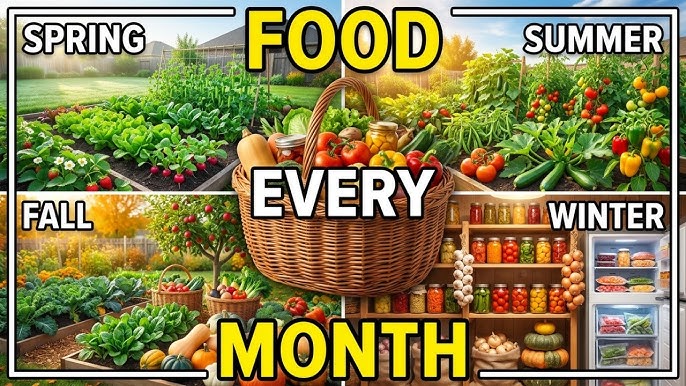
I used to treat gardening like a summer hobby. I would get excited in March, buy too many seedlings in April, plant everything in May, and then spend July through September in a panic of weeding, watering, and wondering why my lettuce had bolted into bitter towers while my tomatoes were still green in October. By November, my garden was a graveyard of frost-killed vines and my own good intentions. I would spend the winter looking at seed catalogs, promising myself that next year would be different. It never was. For three years, I grew food for exactly three months and called it a season.
The real problem was not my work ethic or my soil. It was that I was trying to garden in one season while ignoring the other three. I thought seasonal gardening meant planting in spring and harvesting in summer. It does not. Seasonal gardening means understanding that every month offers something to grow, something to prepare, and something to learn. It means shifting from a frantic twelve-week sprint to a calm, continuous rhythm. Once I made that mental shift, I stopped losing crops to heat and frost. I stopped buying out-of-season seedlings at premium prices. I started harvesting fresh food in April, in July, in October, and even in the dead of winter from my cold frames. My grocery bill dropped. My stress dropped. And my garden finally started feeling like a working system instead of a seasonal disappointment.
If you are tired of the boom-and-bust cycle—if you want a garden that actually feeds you across the year instead of burying you under zucchini for six weeks and then leaving you with nothing—this is the guide I needed four years ago.
Why Most Home Gardens Fail After Summer
Let me be honest about where I went wrong, because you are probably doing the exact same thing.
I treated gardening like a single event. I prepared the soil once, planted once, harvested once, and then walked away. I had no plan for what happened after the tomatoes finished. My beds sat empty in August while I waited for next spring. That bare soil grew weeds, compacted in the rain, and lost nutrients to leaching. When March came around, I was starting from scratch every single year.
I also planted everything at the same time. Tomatoes, peppers, lettuce, carrots, beans—all went into the ground during the same May weekend because that was “planting time.” But lettuce hates the heat that tomatoes love. Carrots take sixty days in cool soil but turn woody and bitter when summer sizzles. By planting everything together, I guaranteed that half my crops would be stressed by the wrong conditions.
The worst mistake was my ignorance of fall and winter. I assumed nothing grew after the first frost. I pulled everything up, composted the debris, and locked the garden gate until spring. I was leaving three-quarters of the growing year on the table. In reality, fall is one of the best seasons for gardening—cooler temperatures, fewer pests, and crops that actually taste better after a light frost. Winter is not a dead period either. It is a planning season, a soil-building season, and with simple protection, a harvesting season for cold-hardy greens.
The problem is not that you lack a green thumb. The problem is that you are running a summer-only operation in a four-season world.
Step-by-Step: Building a Year-Round Seasonal Garden
Here is exactly how I restructured my approach. I garden in a temperate climate with four distinct seasons, but these principles adapt to almost any region with minor timing adjustments.
Step 1: Map Your Frost Dates and Work Backwards
Before you plant a single seed, you need two numbers: your average last spring frost date and your average first fall frost date. Everything else builds from there.
I live in a zone where my last frost is around mid-April and my first frost is mid-October. That gives me roughly a 180-day main growing season. But the magic is not in that window. It is in what I do with the edges.
For warm-season crops—tomatoes, peppers, cucumbers, beans, squash—I count backwards from the first fall frost. These plants need consistent warm soil and no threat of cold. I do not plant tomatoes in the ground until two weeks after my last frost, when the soil has warmed. I start seeds indoors six to eight weeks before that date so I have strong seedlings ready to go, not leggy store-bought plants that have been sitting in a greenhouse since February.
For cool-season crops—lettuce, spinach, kale, peas, radishes, carrots, broccoli—I work in two directions. I plant them in early spring, four to eight weeks before the last frost, because they tolerate cold and even light freezes. Then I plant them again in late summer, eight to ten weeks before the first fall frost, for a second harvest in autumn. This one insight doubled my production without expanding my space.
I keep a simple calendar. Not an app. A paper calendar on my fridge. I write in the frost dates, then fill in planting windows for each crop. It takes twenty minutes in January and guides every decision I make for the next twelve months.
Step 2: Use Succession Planting to Replace, Not Just Add
This was the single biggest yield booster I discovered. Instead of planting all my lettuce at once and eating salad for three weeks before it bolts, I plant small batches every two to three weeks.
Here is my actual succession schedule. In spring, I sow lettuce, spinach, and radishes in a small bed every two weeks from March through May. By the time the first batch is finishing, the second is ready. The third is coming up as the second is being harvested. I never have a glut, and I never have a gap.
For beans and bush peas, I sow a new row every three weeks during their growing window. For carrots, I sow a short row every three weeks from early spring through midsummer. The later plantings mature into cooler fall weather and are actually sweeter than the spring ones.
The key is to plant only what you can eat in a two-week window. A single packet of lettuce seeds can last me the entire season if I sow a pinch every fourteen days instead of the whole packet on Memorial Day weekend.
Step 3: Exploit the Shoulder Seasons (Spring and Fall)
These are the secret weapons of a productive gardener. Shoulder seasons—the cool weeks before summer heat and after summer heat—are when many crops perform best.
In early spring, while the soil is still cool, I direct-sow peas, spinach, kale, arugula, radishes, and carrots. These germinate in cold soil and mature before the bugs and heat arrive. I also start broccoli, cabbage, and cauliflower indoors in late winter so they can be planted out four weeks before the last frost. They mature in the cool of late spring and taste better than anything grown in summer.
In late summer, around late July and August, I start my fall garden while the summer crops are still producing. I sow lettuce, spinach, kale, turnips, beets, and more carrots in the shade of my taller plants or in beds where early crops have finished. The soil is warm, so germination is fast. The cooling air means these crops grow steadily without bolting. Many of them survive light frosts and even taste sweeter after cold snaps convert starches to sugars.
I also plant garlic in October, right after my first light frost. It sits dormant through winter, establishes roots, and explodes into growth in early spring. By June, I am harvesting fresh garlic while my neighbors are still buying imported bulbs.
Step 4: Protect and Extend with Simple Structures
You do not need a heated greenhouse to garden in winter. I use three simple tools that cost under fifty dollars total and extend my season by months.
Row covers: Lightweight fabric draped over hoops or stakes. They protect early spring plantings from late frosts and keep fall crops growing weeks after uncovered plants would freeze. I use them in spring to get lettuce and spinach started four weeks earlier than I could without protection.
Cold frames: Essentially a bottomless box with a clear lid. I built one from scrap wood and an old window. In late fall, I plant spinach, mâche, and claytonia inside. The glass traps solar heat during the day, and the soil releases it at night. Even when temperatures drop into the twenties, the inside stays above freezing. I harvest fresh greens in December and January while snow covers the ground outside.
Cloches: Individual covers for single plants. I use plastic milk jugs with the bottoms cut out, placed over tender seedlings during unexpected cold snaps. They are free, portable, and surprisingly effective.
These tools changed my definition of “growing season.” It no longer ends at the first frost. It ends when I decide to stop harvesting.
Step 5: Let Winter Be a Working Season
I used to think winter was downtime. Now it is my busiest planning season, and it is when my soil gets better without me lifting a finger.
In late fall, after my final harvests, I spread a thick layer of compost and shredded leaves over my empty beds. I do not dig it in. I let the freeze-thaw cycles of winter break it down and incorporate it into the soil. Earthworms work through the winter in the protected soil below the mulch, creating channels and leaving behind nutrient-rich castings. By spring, my soil is darker, looser, and more alive than if I had tilled it.
I also use winter to review my notes. Which varieties produced well? Which bolted too fast? Where did the pests hit hardest? I order seeds in January when the selection is best and prices are lowest. I start slow-growing crops like onions and leeks indoors under grow lights in February. By the time my neighbors are rushing to the garden center in May, my seedlings are already eight weeks old and hardened off.
5 Mistakes That Waste Your Growing Season
These are the specific errors that kept me stuck in the summer-only trap.
1. Planting everything on the same weekend. I used to spend one Saturday in May planting my entire garden. Then I had nothing to harvest for two months, followed by an overwhelming glut. Succession planting solved this. Small, frequent sowings keep the harvest steady and manageable.
2. Leaving soil bare after harvest. An empty bed is not resting. It is eroding, weeding itself, and losing nutrients. I now plant a quick cover crop like buckwheat or clover in empty summer beds, or I sow a fall crop immediately after pulling spring peas or early potatoes. Something is always growing or covering the soil.
3. Ignoring the fall garden. I used to think August was the end. Now I know it is the beginning of my second spring. By sowing cool-season crops in late July and August, I get a harvest that is often better than my spring one, with fewer pests and less watering.
4. Buying seedlings too early. Every March, garden centers sell tomato seedlings that are already flowering in tiny pots. They are root-bound, stressed, and weeks away from safe planting weather. I now start my own seeds indoors six to eight weeks before my last frost, or I buy seedlings only two weeks before I am ready to plant them outside. Patience in spring pays off all summer.
5. Treating frost as the absolute end. My first frost kills tomatoes and basil, but it barely bothers kale, spinach, and carrots. I used to clear everything out in October. Now I leave my cold-hardy crops in place, protect them with row covers, and harvest through November. My last fresh carrot pull of the year was the week before Thanksgiving.
Real Examples: My Seasonal Calendar in Action
To show you this is not theory, here is what my actual growing year looks like in a temperate climate.
January: I review last year’s notes and order seeds. I start onions and leeks under grow lights indoors.
February: I start broccoli, cabbage, and cauliflower indoors. I also start slow herbs like parsley and oregano.
March: I direct-sow peas, spinach, and radishes outdoors under row covers. I start tomatoes and peppers indoors.
April: I plant potatoes and sow carrots and beets. I transplant broccoli and cabbage seedlings two weeks before the last frost. Lettuce succession sowing begins.
May: After the last frost, I transplant tomatoes, peppers, and basil. I sow bush beans and cucumbers. I continue lettuce every two weeks.
June: I harvest spring greens, radishes, and the first peas. I sow a second round of beans and more carrots in the space where spring crops finished.
July: I harvest garlic and immediately plant a quick cover crop in that bed. I start fall lettuce, spinach, and kale seedlings indoors. I sow more carrots and beets for autumn.
August: I transplant fall brassicas and greens. I keep sowing lettuce and radishes. Summer crops are at peak harvest.
September: I plant garlic for next year. I sow spinach and mâche in the cold frame. I harvest the last beans and start pulling summer crops that are fading.
October: First frost hits the tender plants. I cover the fall greens with row covers. I harvest the last peppers and tomatoes, green or ripe.
November: I harvest kale, carrots, and beets from under protection. I fill the cold frame with winter greens.
December through February: I harvest from the cold frame on mild days. I spread compost and mulch on empty beds. I plan next year.
That is twelve months of activity, ten months of active growth, and at least eight months of fresh harvest. From a space no larger than a two-car garage.
Frequently Asked Questions
Can I really garden in winter without a greenhouse?
Yes, if you choose the right crops and use simple protection. Cold-hardy greens like spinach, kale, mâche, and claytonia survive freezing temperatures, especially under a row cover or inside a cold frame. They do not grow much in the depths of winter, but they stay alive and harvestable. In milder climates, you can grow through winter with almost no protection.
What crops are best for succession planting?
Fast-maturing crops are ideal: lettuce, spinach, radishes, arugula, bush beans, and carrots. Crops that mature in forty to sixty days can be sown repeatedly. Slow crops like tomatoes, peppers, and winter squash are not succession-planted for multiple harvests, but you can stagger their planting by two weeks to extend the harvest window.
How do I know when to switch from spring to summer crops?
Watch the soil temperature and the weather pattern, not just the calendar. When soil consistently stays above sixty degrees and nighttime temperatures are reliably above fifty, it is time for tomatoes, peppers, beans, and squash. When daytime temperatures start regularly exceeding eighty-five and your lettuce is bolting, it is time to shift to heat-loving crops and start planning your fall sowings.
Do I need to start seeds indoors, or can I direct-sow everything?
You can direct-sow almost everything, but starting indoors gives you a head start and often a better harvest. Tomatoes, peppers, eggplant, and broccoli need a long growing season and do best with an indoor start. Root crops like carrots, radishes, and beets, and fast greens like lettuce and spinach, do better direct-sown because they do not transplant well. I use a mix of both methods.
What should I do with my garden beds in winter if I am not growing?
Never leave them bare. Spread a thick layer of compost, shredded leaves, or straw over the surface. Plant a winter-killed cover crop like oats or field peas. Let the freeze-thaw cycles and earthworms do the work of incorporating organic matter. Come spring, your soil will be healthier than if you had tilled it.
Conclusion: The Garden Does Not Stop, and Neither Should You
Seasonal gardening is not about working harder. It is about working with the calendar instead of against it. I spent years exhausting myself in a three-month frenzy, then feeling guilty for the other nine. When I finally accepted that every season had a job to do—spring for planting, summer for tending, fall for replanting, winter for planning and protecting—I stopped fighting my garden and started partnering with it.
The reward is not just more food. It is steadier food. It is walking outside in October and cutting kale for dinner while your neighbors have put their gardens to bed. It is pulling a fresh carrot in November that tastes like candy because the cold turned its starches to sugar. It is starting spring with rich, living soil instead of compacted dirt that needs a rototiller and a bag of synthetic fertilizer.
You do not need more space. You need better timing. You do not need a greenhouse. You need a row cover and a plan. Start by finding your frost dates. Map one spring crop, one summer crop, and one fall crop. Sow a little lettuce every two weeks instead of all at once. Build one cold frame from scrap wood. Leave your soil covered in winter.
The garden is not a summer project. It is a year-round practice. And once you start treating it that way, you will wonder why you ever accepted a nine-month off-season.