I still remember the morning I walked out to my container tomato plants and found the leaves stippled with tiny yellow dots, like someone had taken a needle and punched holes through every surface. I flipped a leaf over, and there they were—dozens of spider mites, barely visible, moving like grains of sand in a breeze. Within two weeks, that plant was webbed, bleached, and dead. I had done nothing wrong, or so I thought. I had watered it, fed it, placed it in good sun. But I had never once inspected it. I had never built a habit of looking for trouble before trouble announced itself with devastation.
That same season, a humid stretch in July turned my basil into a breeding ground for downy mildew. Gray fuzz spread across the undersides of leaves overnight. My zucchini developed powdery mildew so thick it looked like someone had dusted the leaves with flour. By August, I was fighting aphids on my peppers, fungus gnats in my indoor seedlings, and some mysterious wilt that turned my cucumber vines to mush at the soil line. I sprayed everything I could find at the garden store—neem oil, insecticidal soap, copper fungicide, even a desperate attempt with diluted hydrogen peroxide. I was reactive, panicked, and consistently three steps behind.
The turning point came when I accepted a hard truth: pest and disease prevention is not about having the right spray in your cabinet. It is about building conditions and habits that make your plants so healthy and your garden so inhospitable to problems that the sprays become a last resort, not a first response. I stopped chasing symptoms and started building resilience. The next season, I lost almost nothing. This is the system that made that possible.
Why Reactive Pest Control Almost Always Fails
Most gardeners, myself included, treat pests and diseases like burglars. We install cameras after the break-in. We notice the damage when the leaves are already curling, the fruit is already rotting, or the plant is already dying. By the time you see the problem, the infestation or infection has usually been building for days or weeks.
Pests reproduce exponentially. A single aphid can produce fifty to one hundred offspring in a week. Fungal spores spread through water splash, wind, and contaminated tools. Once they establish, you are not fighting one bug or one patch of mildew. You are fighting a population that has already dug in.
Sprays can help, but they have limits. Neem oil works on contact and must coat the pest directly. It does nothing for eggs hiding in crevices. Fungicides stop spread but do not heal damaged tissue. Worse, many pests develop resistance if you use the same product repeatedly. I learned that spraying without understanding the lifecycle of the pest was like throwing water on a grease fire—it felt like action, but it often made things worse by stressing the plant or killing beneficial insects that were actually helping me.
The only real solution is prevention. Not perfect prevention—nature will always test you—but systematic prevention that catches problems early and makes your garden a hard place for pests and diseases to dominate.
Step-by-Step: Building a Prevention-First Garden
Here is exactly what I do now, from the first day of the season to the last harvest. If you adopt even half of these habits, you will avoid most of the disasters that wiped out my early gardens.
Step 1: Start Clean and Stay Clean
Disease often rides into your garden on infected plants, dirty tools, or leftover debris. I used to buy seedlings from big box stores and plant them immediately without inspection. Now I quarantine every new plant for three to five days before it joins the main garden. I check the undersides of leaves, the stems, and the soil surface for any signs of pests or mold. If I see whiteflies, aphids, or suspicious spots, that plant goes back or gets treated in isolation.
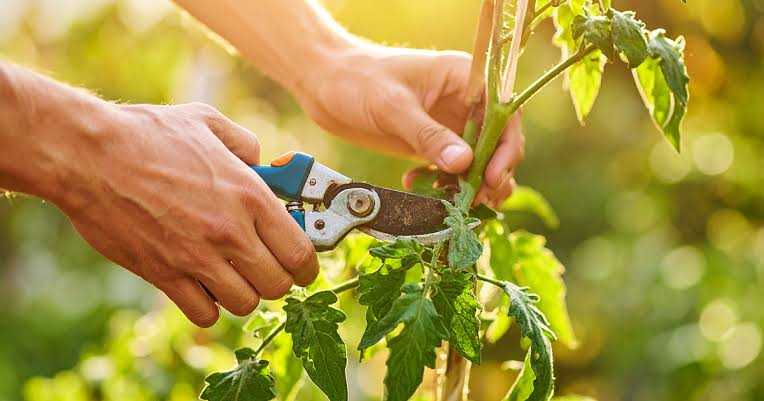
I also clean my pots before reuse. A quick scrub with hot soapy water removes overwintering eggs and fungal spores. For my pruning shears and trowels, I keep a spray bottle of rubbing alcohol and wipe them between plants. It takes ten seconds and prevents transferring diseases from a sick plant to a healthy one.
At the end of each season, I remove all dead plant material from my containers. I do not compost diseased debris in my small space. Fungal spores overwinter in leaf litter, and insect eggs hide in dried stems. A clean start each spring is non-negotiable.
Step 2: Build Plant Health From the Soil Up
This is the single most important shift I made. Healthy plants resist pests and diseases far better than stressed ones. It is not magic. It is biology. A well-fed plant with strong cell walls and vigorous growth can physically outpace many infections and tolerate minor pest pressure without collapsing.
I focus on soil health first. I use high-quality potting mix refreshed each season with compost. I avoid synthetic fertilizers that push fast, weak growth—succulent new growth is exactly what aphids and spider mites prefer. Instead, I feed with balanced organic fertilizers and compost tea, which support steady, resilient development.
Watering correctly is equally critical. I water at the soil line, not overhead, to keep foliage dry. Wet leaves are an open invitation to fungal diseases like powdery mildew, downy mildew, and leaf spot. If I must water from above, I do it in the morning so leaves dry quickly in the sun. Evening watering in humid conditions is practically a recipe for blight.
I also avoid overcrowding. When I crammed four tomato plants into one container, the dense canopy trapped humidity, blocked airflow, and created a perfect microclimate for fungal growth. Now I space plants according to their mature size, even if it means fewer plants overall. Air circulation is a physical barrier against disease.
Step 3: Inspect Religiously (The Two-Minute Check)
This habit alone has saved me more plants than any product. Every morning, with my coffee, I do a two-minute walk-through of my garden. I do not just glance. I look closely.
I check the undersides of leaves, where aphids, spider mites, and whiteflies hide. I look at new growth, which pests target first because it is tender and nutrient-rich. I scan stems for scale or unusual bumps. I examine the soil surface for fungus gnats, which indicate overwatering and organic decay.
I keep a small notebook—just a few lines—where I note anything unusual. A few yellow dots on a tomato leaf. A slight curl on a pepper leaf. This is not paranoia. It is early detection. Catching a pest when there are five of them is infinitely easier than fighting five hundred.
If I find a problem, I do not spray immediately. I identify it first. Is it an aphid, a mite, a whitefly, or a thrip? Is the damage mechanical, nutritional, or pathological? Misidentification leads to mistreatment. A quick photo search or extension service lookup takes two minutes and prevents me from using the wrong tool.
Step 4: Use Physical Barriers and Cultural Controls First
Before I reach for any spray, I try the mechanical and cultural options. They are often more effective and always less disruptive to the garden ecosystem.
For aphids: A strong jet of water from the hose knocks them off and disrupts their feeding. I do this every two days for a week, and populations usually collapse without chemicals.
For spider mites: These thrive in dry, dusty conditions. Increasing humidity around susceptible plants—misting the surrounding area, not the leaves directly—makes the environment less hospitable. I also remove heavily infested leaves immediately and seal them in a bag.
For fungus gnats: These indicate overwatering and decomposing organic matter. I let the top inch of soil dry out between waterings. I also place a thin layer of sand or diatomaceous earth on the soil surface, which prevents adults from laying eggs.
For caterpillars and larger pests: Handpicking works. I check my brassicas and tomatoes in the evening with a flashlight. It is not glamorous, but it is precise and effective.
For fungal diseases: Prevention is the only real control. I space plants for airflow, water at the base, remove infected leaves immediately, and avoid working in the garden when foliage is wet—moisture spreads spores on hands and tools.
Step 5: Introduce and Protect Beneficial Insects
Not all insects are enemies. This was a revelation to me. Ladybugs, lacewings, parasitic wasps, and predatory mites are natural pest control. But they will not come to a garden that is regularly doused in broad-spectrum insecticides.
I stopped killing everything that crawled and started inviting the good ones. I planted dill, fennel, and yarrow in small containers near my vegetables. These are umbrella-shaped flowers that attract parasitic wasps and hoverflies, which prey on aphids and caterpillars. I also leave a small dish of water with pebbles for beneficial insects to drink. It sounds minor, but a garden that supports predators becomes self-regulating over time.
I avoid any spray that harms bees and beneficials. If I must treat a severe infestation, I use insecticidal soap or horticultural oil in the evening when pollinators are inactive, and I target only the affected plant, not the entire garden.
Step 6: Know When to Use Sprays (And How to Use Them Correctly)
Sometimes prevention is not enough. A severe spider mite infestation or a fast-spreading fungal outbreak requires intervention. But I use sprays with strict rules now.
I identify the pest or disease precisely before treating. Aphids get insecticidal soap. Spider mites get horticultural oil, which smothers them. Fungal diseases get copper or sulfur-based fungicides, applied before symptoms spread. I never use the same product repeatedly—rotation prevents resistance.
I read the label. I know this sounds obvious, but I used to eyeball dilutions and spray in full sun, which burned leaves. Now I mix exactly as directed, test on a small leaf first, and apply in cool, calm conditions.
I accept that some damage is normal. A few holes in a leaf do not require nuclear intervention. A plant can lose twenty percent of its foliage and still produce abundantly. My goal is not a pristine garden. It is a productive one.
5 Mistakes That Invite Pests and Diseases
These are specific errors I made that turned my garden into a buffet.
1. Overwatering and poor drainage. Wet soil breeds fungus gnats, root rot, and damping-off disease. Wet foliage invites mildew and blight. I now water deeply but infrequently, and I always ensure my containers drain freely.
2. Planting the same crop in the same container year after year. Soil-borne diseases like early blight and fusarium wilt build up in the soil. I rotate my crops even in containers. Tomatoes do not go where tomatoes were last year. I refresh at least the top third of soil annually.
3. Ignoring weeds and debris in and around containers. Weeds harbor pests and diseases. A clump of chickweed in the corner of my balcony hosted aphids that eventually migrated to my peppers. Now I keep the area around my containers clean.
4. Using contaminated tools or hands. I used to prune a diseased tomato, then immediately clip a healthy pepper with the same shears. That is how diseases travel. I clean between plants, and I wash my hands after handling infected material.
5. Panic-spraying everything. When I saw one aphid, I sprayed the whole garden. I killed beneficial insects, stressed my plants, and created conditions where the next pest had no natural enemies. Now I treat only the affected plant, only when necessary, and only with the correct product.
Real Examples: How I Handled Last Season’s Challenges
Last July, during a humid stretch, I noticed the first spots of early blight on the lower leaves of my container tomatoes. In previous years, I would have panicked and sprayed everything. Instead, I removed the infected leaves with clean shears, sealed them in a bag, and sprayed the remaining foliage with a baking soda solution—one teaspoon per quart of water—as a mild fungistatic. I improved airflow by pruning some lower suckers and stopped overhead watering entirely. The disease slowed, never reached the upper canopy, and I harvested tomatoes through September.
In late August, I found a cluster of aphids on my pepper plant. I blasted them with water for three mornings in a row. On the fourth day, I spotted ladybug larvae on the same plant. I stopped spraying and let them work. Within a week, the aphids were gone, and the ladybugs stayed in my garden, patrolling for the next wave.
These small wins added up to a season where I used zero synthetic pesticides and only one application of organic fungicide. My plants were not perfect. They had blemishes. But they produced abundantly, and the ecosystem I built was stronger at the end of the season than at the start.
Frequently Asked Questions
How do I prevent pests if I garden on a balcony with no natural predators?
Even small spaces can support beneficial insects if you invite them. Plant flowers like alyssum, dill, or marigolds in small pots near your vegetables. These attract hoverflies and parasitic wasps. Avoid broad-spectrum sprays that kill everything. Also, physical barriers work well in small spaces—row covers, sticky traps, and regular handpicking are often enough.
What is the best organic spray for general pest prevention?
There is no single best spray because different pests require different treatments. Insecticidal soap works for soft-bodied insects like aphids and whiteflies. Horticultural oil smothers spider mites and scale. Neem oil has some repellent and growth-disrupting properties but works slowly. I do not spray preventively. I inspect, identify, and then choose the least disruptive treatment.
Can I prevent diseases if my climate is very humid?
Yes, but you must be more diligent. Focus on airflow, spacing, and keeping foliage dry. Choose disease-resistant varieties when available. Water only at the soil line in the morning. Remove infected leaves immediately. In extremely humid conditions, a preventive spray of copper fungicide on susceptible plants like tomatoes and cucumbers can help, but it is not a substitute for good cultural practices.
Why do my seedlings keep dying from damping off?
Damping off is a fungal disease that attacks seedlings, causing them to collapse at the soil line. It thrives in cold, wet, poorly ventilated conditions. Use clean seed-starting mix, not garden soil. Do not overwater. Provide good air circulation with a small fan. Water from below if possible. And avoid planting seeds too deeply, which keeps the stem wet and vulnerable.
How often should I inspect my plants?
Daily is ideal, but realistically, a focused two-minute check every two to three days catches most problems early. The key is consistency and thoroughness. Look at the undersides of leaves, the stems, the soil surface, and the new growth. The more familiar you are with what healthy looks like, the faster you will spot trouble.
Conclusion: Prevention Is a Practice, Not a Product
Pest and disease prevention is not about achieving a sterile garden. It is about building a resilient one. I spent my first gardening seasons reacting to crises, spraying in panic, and mourning dead plants. I now spend my mornings with coffee in hand, noticing, adjusting, and supporting a system that mostly takes care of itself.
The truth is that pests and diseases are part of gardening. You will never eliminate them entirely, nor should you want to. A garden with zero pests is usually a garden with zero life. The goal is balance. The goal is to keep populations low enough that your plants outgrow the damage, to catch infections before they spread, and to build conditions where beneficial allies outnumber the enemies.
Start with clean soil, healthy plants, and a habit of looking closely. Water with intention. Space with generosity. Invite the good bugs. And when trouble comes—as it will—respond with knowledge instead of panic. Your garden will never be perfect, but it will be strong. And a strong garden, blemishes and all, will feed you far better than a pristine one ever could.