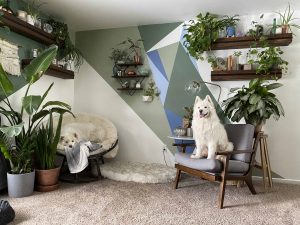
Knowing when plants need water sounds easy until you start caring for several different plants.
One plant may need water every few days, while another can go much longer. An indoor plant sitting beside a bright window may dry out quickly, while the same type of plant in a cooler room may stay moist for considerably longer. Outdoor plants can be even more unpredictable because sunlight, wind, temperature, rainfall, soil type, and container size all affect how quickly moisture disappears.
The most reliable approach is not to follow a rigid watering calendar.
Instead, learn to look at the plant, check the growing medium, consider recent weather and growing conditions, and water when the plant actually needs it.
This guide explains practical ways to recognize signs of low moisture in both indoor and outdoor plants, how to check soil properly, and how to avoid common watering mistakes.
Why a Fixed Watering Schedule Does Not Always Work
It is tempting to decide that every plant needs water every Monday, Wednesday, and Saturday.
The problem is that plants do not lose moisture at exactly the same rate every week.
Indoor conditions can change when you turn on heating or air conditioning. A plant near a sunny window may dry faster during bright weather. Outdoor soil may remain moist after several rainy days but dry rapidly during a hot, windy period.
The size of the container matters too.
A small pot contains less growing medium and can dry out faster than a large container.
Instead of asking, “Is today watering day?” ask, “Does this plant need water right now?”
That small change in habit can make watering much more accurate.
Check the Soil Before Watering
One of the simplest ways to determine whether a plant needs water is to check the growing medium.
For many potted plants, insert your finger gently into the soil.
Feel the upper layer and, where practical, check slightly deeper.
If the soil still feels noticeably moist, immediate watering may not be necessary.
If the upper portion is dry and the plant’s requirements indicate that it should be watered, it may be time to add water.
Do not rely only on the surface.
The top of a container can look dry while the lower portion remains quite wet.
Conversely, a loose or very small container may dry throughout much faster than expected.
Use the Weight of a Container as a Clue
Container weight can also help you learn when a plant is drying out.
After watering, carefully notice how heavy the pot feels.
Later, lift it again if the size and weight make this safe.
A noticeably lighter container often indicates that moisture has been lost.
This method becomes easier with practice because you begin to recognize the difference between a recently watered pot and one that has dried significantly.
It works particularly well for smaller houseplants that are easy to lift.
Watch the Leaves Carefully
Leaves can provide clues, but wilting is not always a simple signal of thirst.
A plant that lacks water may develop leaves that look limp, droopy, curled, or less firm than usual.
However, similar symptoms can occur because of excessive watering, root problems, heat stress, disease, or other growing conditions.
That is why you should not automatically water every time you see a drooping leaf.
Check the soil and consider the plant’s environment before deciding what to do.
Look for Dry, Crispy Leaves
Leaves that become brown, dry, or crispy around the edges can sometimes indicate that the plant has experienced insufficient moisture.
But this is not proof that the plant simply needs more water.
Low humidity, intense sunlight, fertilizer buildup, temperature stress, and other factors can also contribute to leaf damage.
Look for a pattern.
If the soil is very dry and the plant is also showing signs of wilting, inadequate watering becomes a more likely explanation.
Watch for Soil Pulling Away From the Pot
In some containers, very dry growing medium may shrink and pull away slightly from the sides of the pot.
You may notice a visible gap between the soil and the container.
This can be a useful warning that the growing medium has become quite dry.
Do not wait for this to happen regularly.
Use it as one clue alongside soil moisture, plant appearance, and the needs of the specific plant.
Consider the Plant’s Natural Water Needs
Different plants have different preferences.
Some plants naturally tolerate dry conditions between waterings.
Others prefer consistently moist growing conditions.
A cactus and a moisture-loving plant should not be placed on the same watering schedule.
Before changing your routine, learn the basic needs of the particular species or variety.
This is especially important when you have a mixed collection of houseplants.
Check Indoor Plants More Carefully During Hot Weather
Indoor plants can lose moisture more quickly when the room becomes warm.
Bright sunlight can increase moisture loss.
Air movement from fans, heaters, or air-conditioning systems can also affect the environment around the plant.
During periods of hot weather, check plants more frequently rather than automatically watering every plant more often.
The goal is to respond to actual conditions.
Be Careful With Air Conditioning and Heating
Indoor air can become drier when heating or air conditioning is running.
A plant near a vent may experience different conditions from one across the room.
If you notice that a particular plant is drying much faster than it normally does, consider its location.
Moving it slightly away from a strong airflow may help create a more stable environment.
Do not assume that dry indoor air always means the solution is simply more frequent watering.
Understand How Container Size Affects Watering
A small pot can dry relatively quickly.
A very large pot can retain moisture for much longer, particularly if the plant’s root system occupies only a small portion of the container.
This is one reason why watering by a fixed amount is unreliable.
Two plants can receive the same volume of water while having completely different moisture conditions afterward.
Consider the container size, drainage, plant size, and growing medium together.
Check Drainage Holes
A container should generally have an appropriate way for excess water to leave.
If water cannot drain effectively, the growing medium may remain excessively wet.
This can create problems that look similar to underwatering.
For example, a plant with damaged or stressed roots may wilt even though the soil is wet.
Before increasing watering because of wilting, check whether the container drains properly.
Do Not Assume Wilting Always Means Underwatering
This is one of the most common watering mistakes.
Wilting can occur when a plant is too dry, but it can also occur when the roots are struggling in overly wet conditions.
When roots remain in poorly drained, saturated soil, their ability to function normally can be affected.
Therefore, the correct response to a wilted plant is not automatically “add more water.”
First check the soil.
That simple step can prevent a cycle of watering an already wet plant.
How to Tell When Outdoor Plants Need More Water
Outdoor plants face changing weather conditions, so observation becomes even more important.
Check the Soil Beneath the Surface
Outdoor soil can appear dry on top while retaining moisture underneath.
Use your finger, a suitable soil probe, or a small hand tool to check below the surface where practical.
Avoid damaging plant roots while doing so.
For garden beds, checking several locations can give you a better idea of overall moisture than testing just one spot.
Consider Recent Rainfall
Before watering outdoor plants, think about how much rain has fallen recently.
A short shower may not provide the same amount of moisture as a long period of steady rain.
Also consider whether the soil actually absorbed the water.
Heavy rain can sometimes run off compacted soil rather than soaking deeply.
Do not automatically water because the weather has been sunny for a few days, and do not automatically skip watering simply because there was a brief shower.
Check the soil.
Pay Attention to Hot and Windy Weather
Heat can increase water loss.
Wind can also dry plants and soil more quickly.
During hot, dry, or windy periods, inspect outdoor plants more frequently.
Container plants may require particular attention because they have a limited amount of growing medium and can dry faster than plants growing in the ground.
Check Container Plants Outdoors
Outdoor pots can dry surprisingly quickly.
A container exposed to direct sunlight may become dry much faster than one sitting in partial shade.
Small pots are especially easy to overlook.
Check the soil rather than assuming recent rainfall has reached the roots.
Rain may not penetrate dense foliage enough to thoroughly water a container.
Look at the Plant’s Overall Appearance
Outdoor plants may show several signs when they are under moisture stress.
You may notice:
- Drooping leaves
- Leaves curling inward
- Reduced new growth
- Dry or crispy foliage
- Flowers wilting sooner than expected
- Soil pulling away from the container
- Plants appearing less firm than usual
Again, these signs can have other causes.
Use them as clues rather than automatic instructions to water.
Check Plants in Raised Beds
Raised beds often drain more quickly than surrounding ground, depending on their construction and soil.
They can warm up faster as well.
This can be beneficial for some plants but may increase watering needs during dry weather.
Check the moisture below the surface and pay particular attention during prolonged periods without rain.
Newly Planted Plants Need Extra Attention
Newly planted seedlings, flowers, shrubs, and trees may require closer monitoring while their root systems become established.
The root system is smaller and may not yet reach moisture deeper in the surrounding soil.
Do not assume that a newly planted plant can immediately manage itself like an established one.
Follow appropriate planting and watering guidance for the species and local conditions.
Mulch Can Change How Quickly Soil Dries
A suitable layer of organic mulch around outdoor plants can help reduce evaporation from the soil surface.
Mulch can also help moderate soil temperature and reduce weed competition.
Keep mulch appropriately positioned rather than piling it directly against plant stems or tree trunks.
Mulching does not eliminate the need to check soil moisture.
It simply changes how quickly moisture may be lost.
How to Water Plants Properly
Recognizing that a plant needs water is only half the process.
How you water matters too.
Water the Root Area
For many plants, water is most useful when it reaches the root zone rather than simply wetting the leaves.
Apply water in a way that allows it to penetrate the growing medium.
For container plants, water until excess begins to drain from the appropriate drainage holes, unless the specific plant or setup requires a different method.
For outdoor beds, water deeply enough to moisten the relevant root zone rather than creating only a thin wet layer at the surface.
Water Slowly When Soil Is Very Dry
Extremely dry soil may initially repel water or allow it to run off quickly.
If water immediately flows away from the plant, slow down.
Applying water gradually can give the soil more opportunity to absorb it.
This is particularly useful in containers and compacted garden beds.
Avoid Constant Small Sips of Water
Giving a plant a tiny amount of water every day may not adequately moisten the root zone.
The appropriate approach depends on the plant and soil, but many plants benefit from watering that actually reaches their root area rather than repeatedly wetting only the surface.
Check the growing medium afterward to see whether moisture has penetrated to the appropriate depth.
Water at an Appropriate Time
Outdoor watering is often easier to manage when evaporation is lower, such as during the morning.
Morning watering also gives foliage and surrounding surfaces more opportunity to dry during the day when compared with watering late at night.
However, if a plant is clearly suffering from a lack of water, do not leave it dry simply because you missed your preferred watering time.
The plant’s immediate needs matter more than following a rigid clock.
Common Watering Mistakes to Avoid
Watering Every Plant on the Same Schedule
Different plants have different requirements.
Treat each group according to its needs.
Watering Only Because the Soil Surface Looks Dry
The surface can dry while deeper soil remains moist.
Check below the surface when possible.
Giving a Wilting Plant More Water Without Checking
Wilting can occur for several reasons.
Always check the moisture condition first.
Ignoring Drainage
A pot without adequate drainage can remain wet for too long.
Check the container and growing medium.
Forgetting Outdoor Containers
Rain does not always provide enough moisture to container plants.
Check them separately.
Watering Based Only on the Calendar
Weather and growing conditions change.
Let actual soil moisture guide your decisions.
Using the Same Amount of Water for Every Plant
A small pot and a large garden bed have completely different water requirements.
Think in terms of the plant’s root zone and growing conditions.
A Simple Watering Check You Can Use
Before watering any plant, take a few seconds to ask:
1. Is the soil actually dry where the roots are?
2. What type of plant is it?
3. Has it recently received rain or water?
4. Has the weather been unusually hot, dry, or windy?
5. Does the container drain properly?
6. Are the leaves showing signs of stress?
7. Could another problem explain the symptoms?
If the growing medium is still wet, adding more water may not be helpful.
If it is appropriately dry for that plant and the plant’s condition suggests it needs moisture, watering may be appropriate.
Frequently Asked Questions
How can I tell if my houseplant needs water?
Check the growing medium rather than relying only on the calendar. Feel the soil below the surface where practical and consider the plant’s specific moisture requirements.
Is a drooping plant always thirsty?
No. Drooping can result from both inadequate and excessive moisture, heat, root problems, or other stresses. Check the soil before watering.
Should I water indoor plants every week?
Not necessarily. Some plants may need water more frequently, while others need much longer intervals. Indoor conditions also change throughout the year.
How do I know if an outdoor plant needs water after rain?
Check the soil around the root zone. A brief shower may not have thoroughly moistened the soil, while heavier rainfall may provide enough moisture for several days or longer.
Do plants need more water during hot weather?
Many plants lose moisture more quickly during hot conditions, but the correct response is to check their growing medium more frequently rather than automatically increasing watering for every plant.
Should I water plants with dry leaves?
Dry leaves do not necessarily mean the roots need more water. Check the soil and consider other possible causes such as heat, low humidity, excessive sunlight, or other environmental stress.
Can too much water hurt plants?
Yes. Excess moisture and poor drainage can create conditions that damage roots and lead to other problems. Watering should be based on the plant’s needs and the condition of its growing medium.
Is morning the best time to water outdoor plants?
Morning is often a practical time because evaporation can be lower and plants have the day ahead to use the moisture. However, the plant’s need for water is more important than following a strict schedule.
How often should I check my plants?
Check them regularly, especially during periods of unusual heat, dry weather, or rapid seasonal changes. Container plants may need more frequent attention than established plants in the ground.
What should I do if a plant keeps wilting even though the soil is wet?
Do not keep adding water automatically. Persistent wilting despite wet soil can have several causes, including root or environmental problems. Consider checking drainage and seeking appropriate plant-care advice.
Final Thoughts
Learning when plants need water is less about memorizing a schedule and more about becoming familiar with their growing conditions.
Check the soil. Observe the leaves. Consider the weather. Look at the container size and drainage. Think about the plant’s natural moisture requirements.
For indoor plants, pay particular attention to changes in room temperature, sunlight, heating, air conditioning, and container size. For outdoor plants, rainfall, heat, wind, soil type, and seasonal conditions can change watering needs quickly.
Most importantly, do not assume that every wilted plant needs more water.
A quick moisture check can prevent both underwatering and unnecessary watering.
Once you get used to checking your plants before reaching for the watering can, you will begin to recognize their normal patterns. That makes it much easier to provide water when it is actually needed and avoid turning a simple gardening task into a problem.