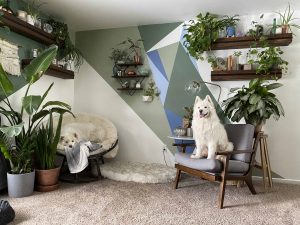
Indoor Plants Can Add Beauty and Natural Comfort to Your Home
Indoor plants are a simple way to bring more life, color, and natural beauty into your living space. Whether you live in a small apartment, a house, or a room with limited outdoor space, the right plants can make your home feel more welcoming and enjoyable.
Beyond appearance, caring for plants can become a relaxing daily habit. Watering, checking leaves, and watching new growth can create a sense of connection with nature.
However, choosing the right indoor plants is important. A plant that looks beautiful in a store may not thrive in your home if it does not receive the right amount of light, humidity, or care.
The best indoor plants are those that match your space, lifestyle, and experience level.
Understand Your Home’s Lighting Conditions
Light is one of the most important factors when choosing indoor plants.
Before buying a plant, observe how much natural light different areas of your home receive.
Common lighting conditions include:
Bright Indirect Light
Areas near windows with filtered sunlight often work well for many popular houseplants.
Low Light
Rooms with fewer windows or darker corners may require plants that tolerate lower light conditions.
Direct Sunlight
Some plants enjoy several hours of direct sunlight, especially near sunny windows.
Remember that every home is different. The amount of light can change depending on window direction, curtains, furniture placement, and seasonal changes.
Choose Plants Based on Your Lifestyle
Your available time and experience should influence your plant choices.
If you are a beginner or have a busy schedule, choose plants that are generally easier to care for.
Low-maintenance options are often suitable because they can tolerate occasional missed watering and require less attention.
If you enjoy gardening and want more involvement, you may prefer plants that need more regular care and observation.
A successful indoor garden is one that fits naturally into your routine.
Consider the Size of Your Space
The size of your home matters when selecting plants.
Small spaces may benefit from:
- Small tabletop plants.
- Hanging plants.
- Compact leafy plants.
- Window plants.
Larger rooms can accommodate:
- Tall floor plants.
- Large leafy plants.
- Decorative plant stands.
Avoid choosing a plant only because it looks attractive. Consider how large it may become and whether your space can support its growth.
Popular Indoor Plants for Beginners
Many indoor plants are popular because they are attractive and relatively easy to maintain.
Snake Plant
The snake plant is known for its tall, upright leaves and simple appearance.
It is often chosen by beginners because it can tolerate periods of dryness and does not require constant attention.
Pothos
Pothos is a popular trailing plant that works well in hanging baskets or on shelves.
Its vines can add a natural look to different areas of the home.
Spider Plant
Spider plants produce long, curved leaves and small plantlets that create a unique appearance.
They are often suitable for beginners and can grow well in many indoor environments.
Peace Lily
Peace lilies are known for their attractive green leaves and white flowers.
They generally prefer indirect light and consistent moisture.
Succulents
Succulents come in many shapes and sizes.
They often prefer bright light and less frequent watering because they store water in their leaves.
Match Plants With Your Room
Different areas of your home may suit different plants.
Living Room
Large leafy plants can create a fresh and comfortable atmosphere.
Bedroom
Smaller plants can add a calming natural touch, but choose varieties that suit your lighting conditions.
Kitchen
Herbs such as basil, mint, or parsley can be practical choices if your kitchen receives enough sunlight.
Bathroom
Some plants may enjoy higher humidity, depending on available light.
Always consider the specific conditions of each room.
Learn Proper Watering Habits
One of the most common indoor plant mistakes is incorrect watering.
Both overwatering and underwatering can harm plants.
Helpful tips include:
- Check the soil before watering.
- Use containers with drainage holes.
- Avoid leaving plants sitting in excess water.
- Follow the needs of each plant rather than using the same schedule for all plants.
Different plants have different water requirements.
Use the Right Containers
A beautiful pot is not the only consideration.
A good plant container should:
- Provide enough space for roots.
- Allow proper drainage.
- Match the plant’s growth needs.
Decorative pots without drainage holes can sometimes cause water to collect around roots, which may lead to problems.
If using a decorative container, consider placing the plant in a suitable growing pot inside it.
Keep Plants Healthy With Basic Care
Indoor plants need more than water.
Simple care includes:
- Removing dead or yellow leaves.
- Cleaning dusty leaves gently.
- Rotating plants so they grow evenly.
- Checking regularly for pests.
- Providing suitable light.
Regular observation helps you notice problems early.
Be Careful With Pets and Children
Some indoor plants may not be safe if pets or young children chew on them.
Before bringing a plant home, research whether it is suitable for your household.
If you have pets, choose plants carefully and place them where necessary.
Safety should be part of your plant selection process.
Avoid Buying Too Many Plants at Once
It can be tempting to fill your home with plants immediately.
However, starting with a few plants allows you to learn their care needs without feeling overwhelmed.
Once you understand what works in your home, you can gradually expand your collection.
A smaller number of healthy plants is better than many struggling ones.
Use Plants to Improve Your Home Decor
Plants can complement different interior styles.
You can use them to:
- Add color to plain areas.
- Fill empty corners.
- Create a natural focal point.
- Decorate shelves and tables.
- Add texture to a room.
Choosing pots and plant placement carefully can make plants part of your overall home design.
Common Indoor Plant Mistakes
Many beginners face problems because of simple mistakes.
Avoid:
- Choosing plants without considering lighting.
- Watering on a fixed schedule without checking soil.
- Placing plants in unsuitable temperatures.
- Ignoring signs of stress.
- Using containers without proper drainage.
Understanding your plant’s needs makes care much easier.
Final Thoughts
Choosing indoor plants that make your home look beautiful and fresh is about finding the right match between your space, lifestyle, and plant needs. The most attractive plant is not always the best choice if it cannot thrive in your environment.
Start with beginner-friendly plants, learn their care requirements, and build your indoor garden gradually. With proper light, suitable watering, and regular attention, indoor plants can bring natural beauty, comfort, and a refreshing atmosphere to your home for years to come.