I remember the spring I stood on my apartment balcony, staring at a single plastic pot that had once held a failed attempt at basil. The soil was dry and cracked. The remnants of the plant were brown and brittle. I had convinced myself that gardening was not for me, that I lacked the space, the soil, the sunlight, and the green thumb that seemed to come naturally to others. Then I visited a friend who lived in a studio apartment smaller than mine, and she showed me her windowsill. It was lined with terracotta pots bursting with rosemary, thyme, mint, and cherry tomatoes. She had no yard. No balcony. Just a south-facing window and a willingness to try. That visit changed everything.
Container food gardening is one of the most accessible and rewarding forms of growing your own food. It requires no yard, no heavy equipment, and no years of experience. A windowsill, a balcony, a patio, or even a doorstep can become a productive garden. The containers themselves become your soil, your ecosystem, and your laboratory. What you learn in a single season about plants, light, water, and patience will serve you for a lifetime, whether you eventually expand to raised beds or remain happily container-bound.
This article provides a comprehensive guide to container food gardening. We will cover choosing containers and soil, selecting the right plants, managing light and water, troubleshooting common problems, and harvesting your homegrown bounty. Whether you have a tiny apartment or a spacious patio, this guide will help you grow fresh, delicious food in containers.
Why Container Gardening Is Worth Your Time
Before diving into the how, it is worth understanding the why. Container gardening offers benefits that go far beyond the food you harvest.
Freshness and Flavor
A tomato picked ripe from your own plant tastes different from one shipped across the country and ripened in a warehouse. Herbs snipped moments before cooking release oils and aromas that dried or store-bought versions cannot match. The difference is not subtle. It is transformative.
I grew my first cherry tomatoes in a five-gallon bucket on my balcony. They were small, slightly irregular, and produced only a handful of fruit per week. But the flavor was so intense, so sweet and complex, that I stopped buying supermarket tomatoes entirely. A few plants provided enough to transform salads, pastas, and sandwiches for months.
Cost Savings
While container gardening has startup costs, it can save significant money over time. A packet of lettuce seeds costs less than a single bag of pre-washed greens and produces multiple harvests. A basil plant provides fresh leaves all season for the price of one small grocery store bunch. The savings compound as you gain skill and expand your garden.
Health and Wellbeing
Gardening is physical activity, stress relief, and mental restoration rolled into one. The act of tending plants, observing growth, and connecting with natural cycles has documented benefits for mental health. For urban dwellers surrounded by concrete, a container garden provides a vital link to the natural world.
I find that twenty minutes of container gardening in the morning, watering, pruning, checking for pests, centers me more effectively than meditation. The focus required, the sensory engagement, and the visible progress create a sense of calm and accomplishment that carries into the rest of my day.
Food Security and Sustainability
Growing even a small portion of your own food reduces dependence on industrial agriculture and long supply chains. It eliminates packaging waste. It allows you to control what goes into your food, no pesticides, no preservatives, no mystery chemicals. For anyone concerned about sustainability, container gardening is a tangible, immediate action.
Getting Started: Containers, Soil, and Setup
The foundation of successful container gardening is choosing the right containers and filling them with the right growing medium.
Choosing Containers
Almost anything that holds soil and has drainage can become a container. Traditional pots, buckets, grow bags, window boxes, repurposed containers, and even fabric planters all work. The key considerations are size, drainage, and material.
Size matters. Small containers dry out quickly and restrict root growth. A mature tomato plant needs at least a five-gallon container. Peppers need three gallons. Leafy greens can manage in smaller pots, but one to two gallons is ideal. When in doubt, choose a larger container. Roots need room to spread, and more soil holds more moisture.
Drainage is non-negotiable. Without drainage holes, water accumulates, roots rot, and plants die. Ensure every container has holes in the bottom. If you fall in love with a pot without holes, drill them yourself. Elevate containers slightly off the ground so water can escape freely.
Material affects temperature and moisture. Terracotta is porous and attractive but dries out quickly in hot weather. Plastic retains moisture and is lightweight but can overheat in direct sun. Fabric grow bags provide excellent drainage and air circulation but require more frequent watering. Wood is attractive and insulating but eventually rots. Each material has trade-offs. Choose based on your climate, your watering habits, and your aesthetic preferences.
I started with a mix of terracotta and plastic pots. Over time, I added fabric grow bags for tomatoes and peppers because they prevented the root circling that plastic pots encourage. My current collection is eclectic, functional, and constantly evolving.
Choosing Potting Mix
Never use garden soil in containers. It is too heavy, compacts easily, and may contain pests or diseases. Use a high-quality potting mix designed for containers. These mixes are lightweight, well-draining, and often contain compost, perlite, and vermiculite for aeration and moisture retention.
Look for organic potting mixes without synthetic fertilizers. You can enrich basic mixes with compost or worm castings for added nutrition. Some gardeners make their own mixes, but for beginners, a quality commercial potting mix is the safest starting point.
Location and Light
Most vegetables and herbs need at least six hours of direct sunlight daily. Leafy greens can tolerate partial shade, but fruiting plants like tomatoes and peppers demand full sun. Observe your space throughout the day. Note where the sun falls and for how long. Choose your container locations accordingly.
If you lack sufficient sun, consider supplemental grow lights for indoor containers. Modern LED grow lights are efficient and effective, allowing you to garden year-round regardless of window exposure.
What to Grow: The Best Plants for Containers
Not all plants thrive in containers. Choosing the right varieties makes the difference between frustration and success.
Herbs
Herbs are the ideal entry point for container gardening. They are compact, productive, and immediately useful in the kitchen.
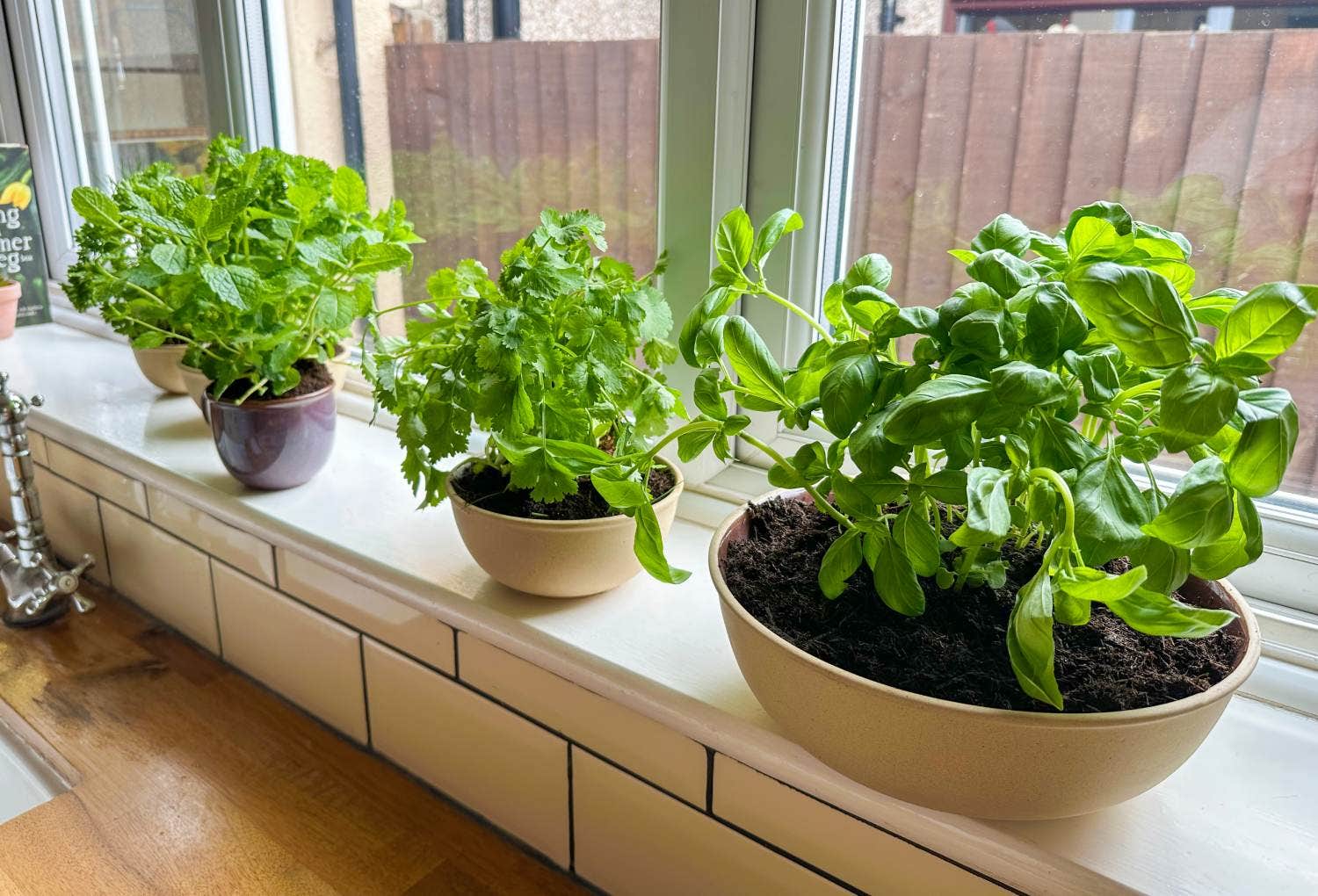
Basil grows rapidly in warm weather and provides abundant leaves for pesto, salads, and pasta. Pinch off flower buds to prolong leaf production. A single large pot or several small ones will keep you supplied all season.
Mint is famously vigorous and invasive. Containers are actually the best way to grow it, as they prevent it from taking over your garden. Keep soil moist and harvest aggressively. Mint thrives on being cut back.
Rosemary is drought-tolerant and perennial in warm climates. It prefers slightly dry soil and full sun. A well-established rosemary plant in a large pot can provide sprigs for years.
Thyme, oregano, and sage are similarly hardy and productive. They prefer well-drained soil and full sun. Harvest by snipping stems, which encourages bushier growth.
Cilantro is trickier because it bolts, goes to seed, quickly in heat. Plant successively every few weeks for continuous harvest. Harvest leaves before flower stalks appear.
Parsley is biennial and slow to germinate. Buy seedlings or start seeds indoors. Once established, it provides abundant leaves for months.
I keep a windowsill herb garden in my kitchen year-round. Basil, parsley, and cilantro in summer. Rosemary, thyme, and sage in winter. Snipping fresh herbs as I cook is one of my greatest daily pleasures.
Tomatoes
Tomatoes are the most popular container vegetable for good reason. The flavor of homegrown tomatoes is unmatched, and many varieties adapt well to pots.
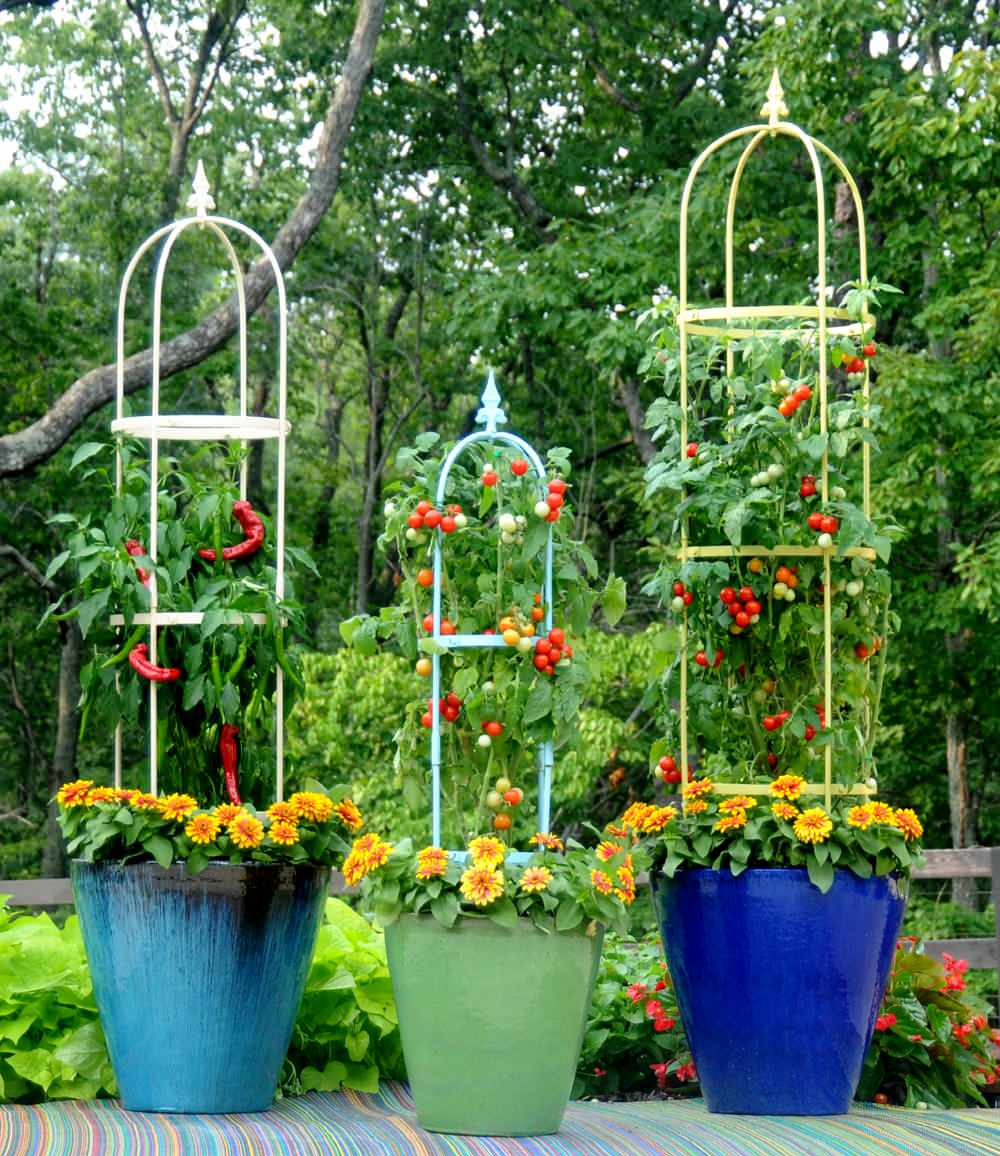
Choose determinate, or bush, varieties for containers. They grow to a manageable size and produce a concentrated harvest. Indeterminate varieties continue growing and require staking, pruning, and larger containers.
Cherry and grape tomatoes are particularly well-suited to containers. They produce abundantly, ripen quickly, and do not require the heavy support that large beefsteak tomatoes need.
Use at least a five-gallon container, a sturdy cage or stake, and consistent watering. Tomatoes are prone to blossom end rot, a calcium deficiency often caused by inconsistent moisture. Water deeply and regularly.
Peppers
Peppers, both sweet and hot, thrive in containers. They love heat, sun, and well-drained soil. A three to five-gallon container is sufficient for most varieties.
Bell peppers need support as they bear fruit. Hot peppers like jalapeños, serranos, and habaneros are more compact and prolific. I grow a variety of hot peppers in containers and dry or pickle the excess for year-round use.
Leafy Greens
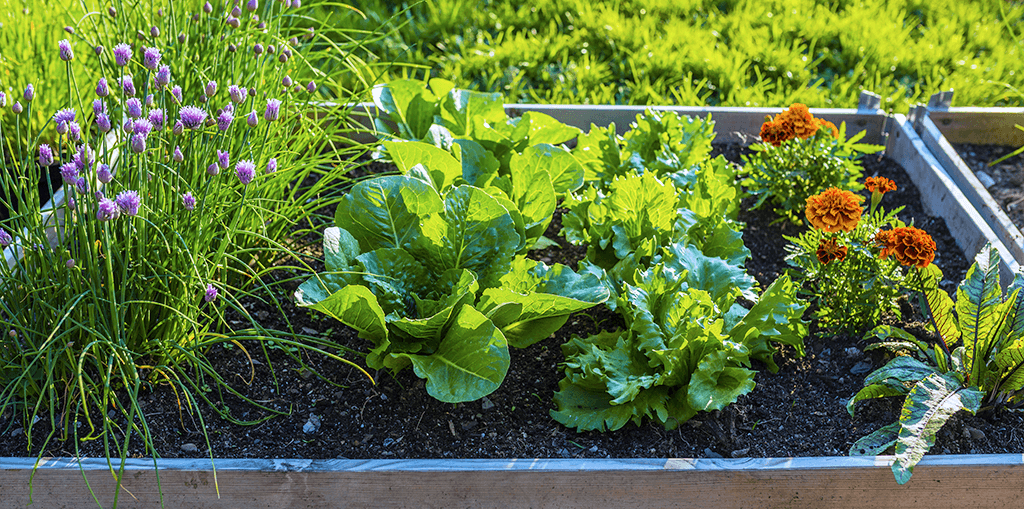
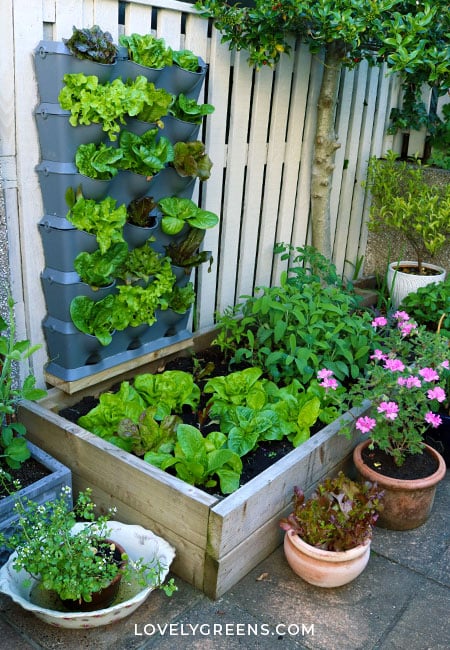
Lettuce, spinach, arugula, and kale are perfect for containers because they have shallow roots and grow quickly. They can even tolerate partial shade, making them ideal for balconies with limited sun.
Plant successively every two weeks for continuous harvest. Cut outer leaves and let the center continue growing. This cut-and-come-again approach extends production significantly.
Vertical planters and window boxes are excellent for greens. They maximize space and keep leaves clean and accessible.
Root Vegetables
Carrots, radishes, and beets can grow in containers if the container is deep enough. Carrots need at least twelve inches of depth. Radishes and beets can manage with eight.
Choose shorter carrot varieties for containers. Round or cylindrical radishes mature in as little as three weeks. Beets provide both greens and roots, making them doubly productive.
Beans and Peas
Bush beans are compact and productive in containers. Pole beans need vertical support but produce over a longer season. Snap peas and snow peas grow well in cooler weather and can be planted early or late in the season.
Provide a trellis or teepee for climbing varieties. Harvest regularly to encourage continued production.
Strawberries and Dwarf Fruit
Strawberries grow beautifully in hanging baskets and tiered planters. Everbearing varieties produce fruit from spring through fall. Alpine strawberries are smaller but incredibly flavorful and shade-tolerant.
Dwarf citrus trees, figs, and blueberries can grow in large containers with proper care. They require more attention and investment but provide remarkable satisfaction.
Watering, Feeding, and Maintenance
Containers require more frequent attention than in-ground gardens because they have limited soil volume and dry out faster.
Watering
Consistent moisture is critical. Containers in full sun may need watering once or even twice daily in hot weather. Check soil moisture by inserting your finger an inch deep. If it feels dry, water thoroughly until it drains from the bottom.
Self-watering containers and drip irrigation systems reduce the burden of daily watering. Mulching the soil surface with straw, wood chips, or even plastic helps retain moisture and regulate temperature.
I water my containers in the morning, which allows plants to absorb moisture before the heat of the day and reduces fungal issues that can occur with evening watering. On the hottest days, I check again in the afternoon.
Fertilizing
Potting mix nutrients deplete over time. Container plants need regular feeding. Organic options include compost tea, fish emulsion, seaweed extract, and granular organic fertilizers. Synthetic fertilizers work faster but can burn plants if overapplied.
Follow package instructions and err on the side of less rather than more. Over-fertilizing produces lush foliage at the expense of fruit and can damage roots. A weak, regular feeding is better than occasional heavy doses.
Pruning and Training
Remove dead or yellowing leaves to improve air circulation and direct energy to productive growth. Pinch back herbs to encourage bushiness. Stake tomatoes and peppers to prevent breakage. Train climbing beans and peas on supports.
Regular maintenance prevents problems and maximizes harvest. Ten minutes of daily attention is more effective than an hour of crisis intervention.
Pest and Disease Management
Container gardens are less prone to pests than in-ground gardens but not immune. Inspect plants regularly. Handpick caterpillars and beetles. Use insecticidal soap for aphids and spider mites. Neem oil handles many common pests.
Prevent disease through good air circulation, proper watering, and removing infected plant material promptly. Fungal issues are often caused by wet foliage and poor drainage. Water at the soil level when possible.
Troubleshooting Common Container Garden Problems
Even experienced gardeners face challenges. Here are the most common problems and their solutions.
Plants Are Leggy and Spindly
This indicates insufficient light. Move containers to a sunnier location. Rotate them regularly so all sides receive light. Consider supplemental grow lights for indoor plants.
Leaves Are Yellow
Yellow leaves can indicate overwatering, underwatering, nutrient deficiency, or pest damage. Check soil moisture first. If wet, improve drainage and reduce watering. If dry, water more deeply. If moisture is adequate, consider fertilizing.
Plants Are Not Fruiting
Fruiting plants need adequate light, consistent watering, and proper pollination. Ensure six to eight hours of sun. Water consistently. For tomatoes and peppers, gentle shaking of flowers can aid pollination. Avoid excessive nitrogen, which promotes foliage over fruit.
Soil Dries Out Too Quickly
Small containers, terracotta pots, and hot weather all accelerate drying. Switch to larger containers. Add mulch. Use self-watering inserts. Group containers to create a humid microclimate. Water more frequently.
Roots Are Circling the Container
This happens when plants outgrow their pots. Root-bound plants struggle to absorb water and nutrients. Transplant to a larger container, gently loosening the root ball before repotting. Fabric grow bags naturally air-prune roots, preventing circling.
Pests Are Overwhelming the Garden
Start with the least toxic interventions. Handpicking, water sprays, insecticidal soap, and neem oil handle most problems. Introduce beneficial insects like ladybugs if available. Reserve chemical pesticides for severe infestations and use them carefully.
Harvesting and Enjoying Your Container Garden
The ultimate reward of gardening is eating what you grow. Harvesting at the right time maximizes flavor and encourages continued production.
Herbs
Harvest herbs in the morning after dew has dried but before the heat of the day. This is when essential oils are most concentrated. Snip stems just above a leaf node to encourage branching. Never remove more than one-third of the plant at once.
For preservation, herbs can be dried, frozen in oil, or made into pesto. Fresh herbs are best used immediately after harvest.
Tomatoes and Peppers
Harvest tomatoes when fully colored and slightly soft to the touch. They will continue to ripen off the vine but develop the best flavor when allowed to mature on the plant. Cherry tomatoes can be picked slightly earlier and will ripen in a bowl.
Peppers can be harvested at any stage. Green bell peppers are unripe but crisp and flavorful. Allowed to mature, they turn red, yellow, or orange and develop sweetness. Hot peppers often gain heat as they mature.
Leafy Greens
Cut outer leaves and allow the center to continue producing. For head lettuce, harvest the entire head when firm. For loose-leaf varieties, the cut-and-come-again method provides weeks of harvest from a single planting.
Root Vegetables
Pull carrots and radishes when they reach usable size. For beets, you can harvest young greens while allowing the roots to mature. Check size by gently brushing soil away from the top of the root.
Beans and Peas
Pick snap beans when they are firm and crisp, before seeds swell. Harvest peas when pods are plump but still tender. Regular picking encourages plants to produce more.
Practical Tips for Container Gardening Success
Here are habits that make container gardening productive and enjoyable.
Start small. One or two containers with herbs or lettuce is enough to begin. Expand as you gain confidence and experience. Overambition leads to overwhelm.
Label everything. It is surprisingly easy to forget what you planted where. Simple labels prevent confusion and help you track what works.
Keep a garden journal. Note what you planted, when, where, and how it performed. This record becomes invaluable for planning future seasons.
Rotate crops. Do not plant the same vegetable in the same container year after year. Rotation prevents nutrient depletion and disease buildup.
Save seeds. Open-pollinated and heirloom varieties produce seeds you can save for next year. This closes the loop and deepens your connection to the garden.
Share your harvest. Gardening produces abundance. Share with neighbors, friends, and food banks. The act of giving multiplies the joy of growing.
Embrace failure. Some plants will die. Some will underperform. This is normal and educational. Each failure teaches you something about your space, your climate, and your habits.
Frequently Asked Questions
Can I grow vegetables indoors without any outdoor space?
Yes. Herbs, leafy greens, and some compact vegetables grow well under grow lights. Tomatoes and peppers need strong light and may struggle without adequate supplementation. Start with herbs and greens, then expand as you gain experience.
How often should I water container plants?
It depends on the plant, container size, weather, and soil. Check soil moisture daily by inserting your finger an inch deep. Water when dry. In hot weather, containers may need daily watering. In cool weather, every few days may suffice.
What is the best container material for beginners?
Plastic is forgiving. It retains moisture, is lightweight, and is inexpensive. As you gain experience, experiment with terracotta, fabric, and wood to find what suits your style and climate.
Do I need to fertilize container plants?
Yes. Potting mix nutrients deplete over a growing season. Feed regularly with organic or synthetic fertilizer according to package instructions. More is not better. Follow directions.
Can I reuse potting soil from year to year?
Yes, with amendments. Remove old roots, mix in fresh compost, and add slow-release fertilizer. Some gardeners replace a portion each year to maintain structure and nutrition.
What vegetables are easiest for beginners?
Herbs, lettuce, radishes, and cherry tomatoes are the most forgiving. They grow quickly, tolerate some neglect, and provide visible rewards that build confidence.
How do I prevent pests without chemicals?
Healthy plants resist pests best. Provide good light, water, and nutrition. Inspect regularly. Remove pests by hand. Use insecticidal soap and neem oil. Encourage beneficial insects. Avoid broad-spectrum pesticides that harm pollinators.
Final Thoughts
My failed basil plant in that cracked plastic pot was not evidence that I could not garden. It was evidence that I had not yet learned how. Container gardening is a skill, not a gift. It is acquired through observation, experimentation, and persistence. The plants teach you if you pay attention. They tell you when they need water, when they need food, when they need more light or less heat.
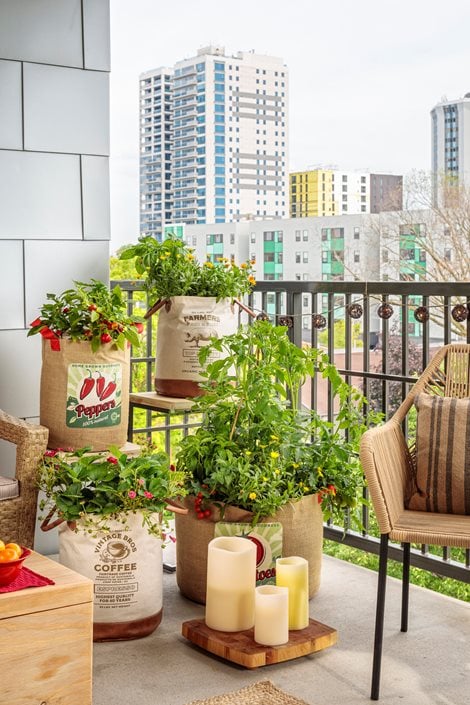
Five years after that first failure, my balcony is a productive garden. Tomatoes cascade from hanging baskets. Peppers stand in neat rows of pots. Herbs scent the air when I brush past them. I grow enough lettuce and greens to supplement my meals for months. The garden is not large, but it is mine. It feeds me physically and spiritually. It connects me to natural cycles in a way that my urban life otherwise lacks.
Container food gardening is not about achieving self-sufficiency or replacing the grocery store. It is about participating in the ancient act of growing food, even in small ways. It is about tasting the difference between a tomato that traveled thousands of miles and one that traveled ten feet from pot to plate. It is about the quiet satisfaction of caring for living things and reaping the harvest.
Start with one pot. One herb. One lettuce plant. Water it. Watch it. Learn from it. That single container is the beginning of a journey that may transform how you think about food, space, and your own capacity to create and nurture life.