I remember the afternoon I walked into a friend’s apartment and felt an immediate sense of calm I could not explain. The space was not large. The furniture was not expensive. But every corner held a plant. A trailing pothos cascaded from a high shelf. A sculptural snake plant stood sentinel by the window. A cluster of succulents arranged on the coffee table like a living sculpture. The air felt fresher. The light seemed softer. The room felt alive in a way that no amount of decoration could replicate. I left that day with a single question. How do I create this feeling in my own home?
That question led me down a path of discovery about decorative and aesthetic plants. I learned that plants are not mere accessories. They are design elements that shape space, influence mood, and express personality. The right plant in the right pot in the right place can transform a sterile room into a sanctuary, a cluttered corner into a focal point, a blank wall into a living tapestry. This is not gardening in the traditional sense. It is interior design with living materials.
This article provides a comprehensive guide to decorative and aesthetic plants. We will explore how to choose plants for visual impact, how to style them within your space, how to care for them so they thrive rather than merely survive, and how to build a plant collection that reflects your taste and enhances your environment. Whether you have a single windowsill or an entire home to fill, this guide will help you use plants as tools of beauty and expression.
Why Decorative Plants Matter Beyond Decoration
Before diving into specific plants and styling techniques, it is worth understanding why living plants have such a profound effect on interior spaces.
Plants as Living Art
A plant is not a static object. It grows, changes, responds to light and season. A painting hangs on the wall unchanged for years. A plant is a dynamic sculpture that evolves, producing new leaves, shifting its posture, occasionally flowering. This living quality creates a relationship between you and your space that inanimate decoration cannot match.
I have a monstera that I have owned for five years. It was a single stem with three leaves when I bought it. Today it dominates a corner of my living room, its fenestrated leaves casting shadows like stained glass. I have pruned it, propagated it, shared cuttings with friends. It is not just decoration. It is a companion.
Biophilic Design and Wellbeing
Biophilic design is the practice of incorporating natural elements into built environments. Research consistently shows that exposure to plants reduces stress, improves concentration, and enhances mood. Hospital patients with views of nature recover faster. Office workers with plants nearby report higher satisfaction. The presence of living things satisfies a deep human need for connection with nature.
In urban environments, where concrete and screens dominate, plants provide a vital link to the natural world. They remind us of growth, cycles, and life beyond human construction.
Air Quality and Atmosphere
While the air-purifying benefits of houseplants are often overstated, plants do contribute to a sense of freshness and vitality. They increase humidity, reduce dust, and create microclimates that feel more comfortable. The psychological perception of cleaner air may be as important as any measurable effect.
Choosing Plants for Aesthetic Impact
Not all plants are equally suited for decorative purposes. The best aesthetic plants combine visual interest with manageable care requirements.
Statement Plants: The Room Anchors
These are large, architectural plants that command attention and define spaces.
Monstera Deliciosa is perhaps the most iconic statement plant. Its massive, split leaves create dramatic shadows and tropical atmosphere. It grows large but slowly, making it suitable for spaces that can accommodate eventual size. It prefers bright, indirect light and moderate watering.
Fiddle Leaf Fig dominated interior design magazines for a decade. Its large, violin-shaped leaves and tree-like form make it sculptural and elegant. It is notoriously finicky, requiring consistent light and careful watering. For those willing to meet its demands, the reward is a stunning living sculpture.
Bird of Paradise brings genuine tropical drama. Its banana-like leaves and occasional orange flowers create a resort-like atmosphere. It needs bright light and space to spread. In the right setting, it transforms a room into a greenhouse.
Rubber Plant offers deep, glossy burgundy or green leaves on an upright form. It is more forgiving than fiddle leaf figs while providing similar visual weight. New growth emerges in striking pink sheaths that add seasonal interest.
I chose a rubber plant for my first statement piece because I had heard the fiddle leaf fig horror stories. Five years later, it is six feet tall and the anchor of my living room. Its dark leaves absorb light and create depth in a bright space.
Trailing and Cascading Plants
These plants soften edges, fill vertical space, and create movement.
Pothos is the ultimate beginner trailing plant. It grows vigorously in almost any light, tolerates neglect, and produces long vines that can drape from shelves, hang from baskets, or climb supports. Varieties range from solid green to golden to variegated white and green.
Philodendron includes both trailing and climbing varieties. Heartleaf philodendron is classic and reliable. Brasil and Micans varieties offer color variation. Their vines can reach impressive lengths with minimal care.
String of Pearls and String of Hearts are succulents that cascade in beads or heart-shaped leaves. They prefer bright light and infrequent watering. In hanging containers, they create living curtains of delicate beauty.
English Ivy is traditional and formal. It trails elegantly and can be trained into topiary shapes. It prefers cooler temperatures and consistent moisture.
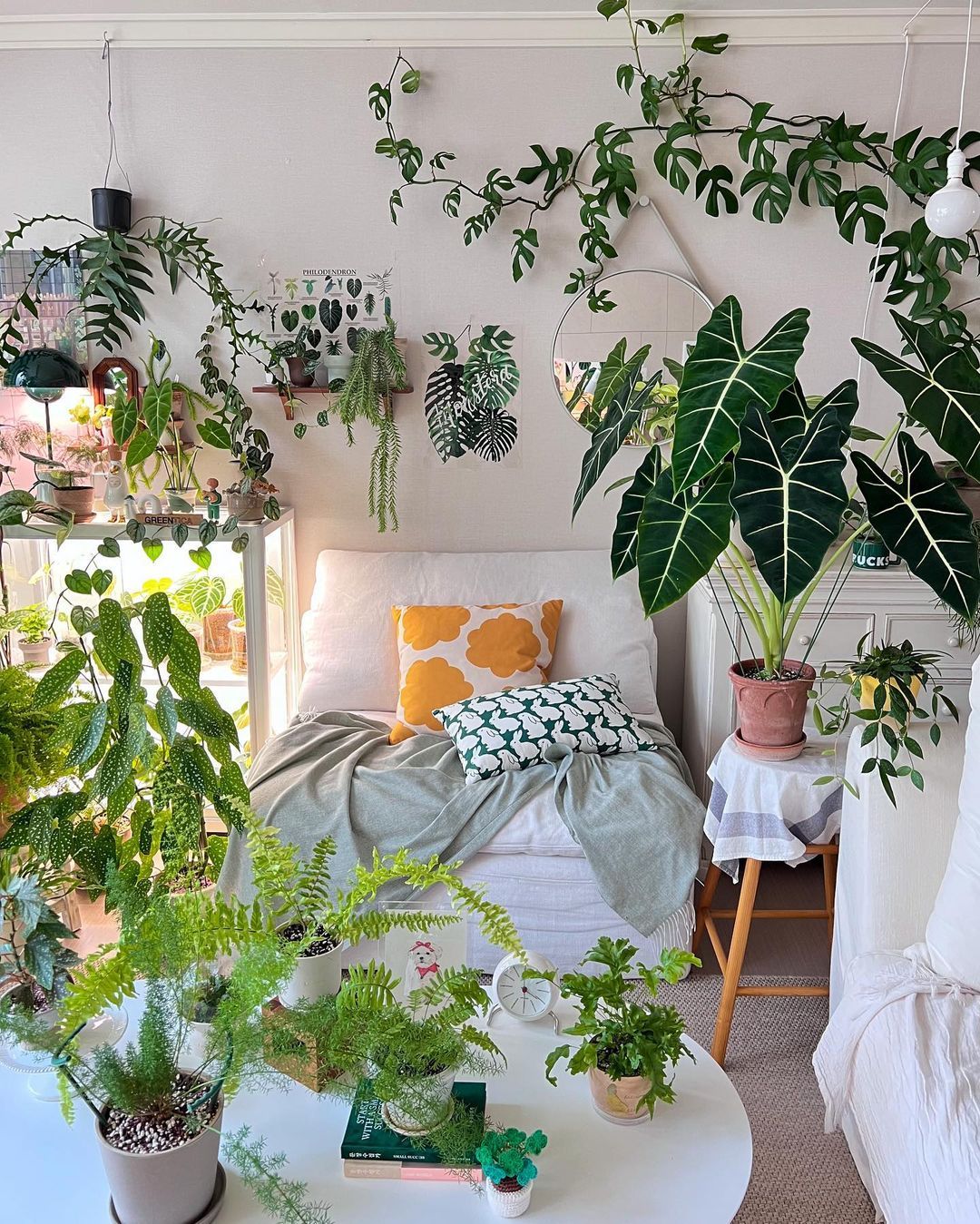
I have a pothos that started on a bookshelf and has now traveled across an entire wall, guided by small hooks. It took three years to reach its current length, and the journey has been as satisfying as the result.
Textural and Architectural Plants
These plants draw attention through unusual forms, patterns, or surfaces.
Snake Plant is the ultimate structural plant. Its upright, sword-like leaves create vertical lines and geometric patterns. It tolerates almost any conditions and grows slowly, making it ideal for spaces where you want consistency.
ZZ Plant has glossy, dark green leaves on arching stems. It thrives in low light and requires minimal water. Its waxy texture reflects light beautifully.
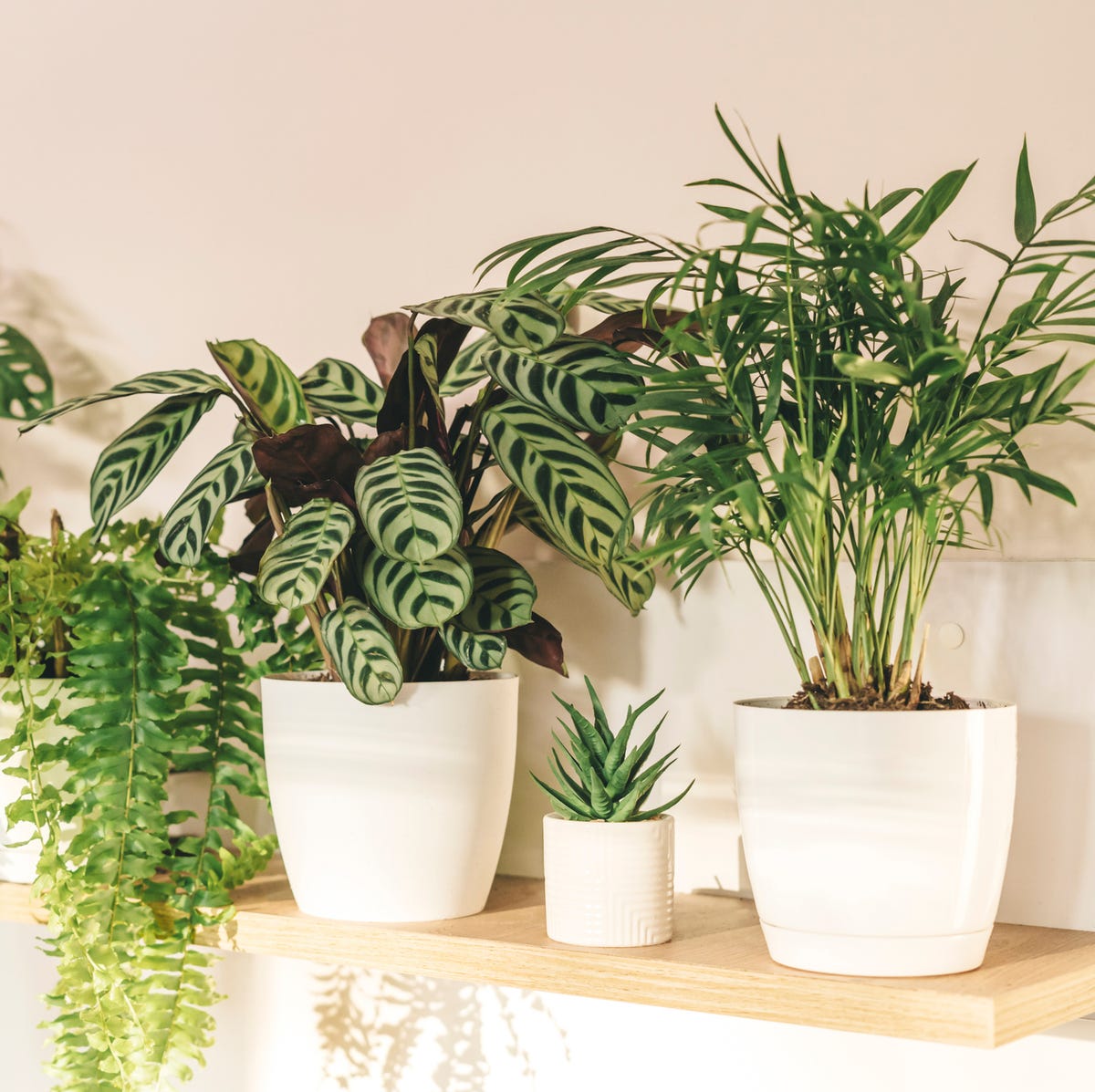
Calathea and Maranta are known as prayer plants for their leaves that fold upward at night. Their foliage features intricate patterns of stripes, spots, and variegation that rival any textile. They prefer humidity and consistent moisture.
Alocasia and Colocasia, elephant ears, produce massive, heart-shaped or arrow-shaped leaves that create jungle atmosphere. They need warmth, humidity, and bright light.
Staghorn Fern mounts on walls like antlers, creating living art installations. It requires regular misting and indirect light but rewards with sculptural presence.
Compact and Desktop Plants
These small plants fill shelves, desks, and tight spaces with personality.
Succulents and Cacti come in infinite forms, from rosettes to columns to spheres. They require bright light and minimal water. Arranged in groups, they create miniature landscapes.
Air Plants need no soil, absorbing moisture and nutrients through their leaves. They can be displayed in glass terrariums, mounted on wood, or simply placed on surfaces. Their alien forms fascinate.
African Violets produce clusters of velvety flowers in purple, pink, and white. They bloom repeatedly in bright, indirect light and add color to windowsills.
Peperomia includes dozens of varieties with thick, textured leaves in patterns of silver, red, and green. They stay compact and tolerate moderate light.
Styling Plants for Maximum Aesthetic Impact
Choosing beautiful plants is only half the battle. How you display them determines their effect on your space.
The Power of Pots
The container is as important as the plant. A beautiful plant in a cheap plastic pot looks cheap. A modest plant in a beautiful ceramic pot looks intentional.
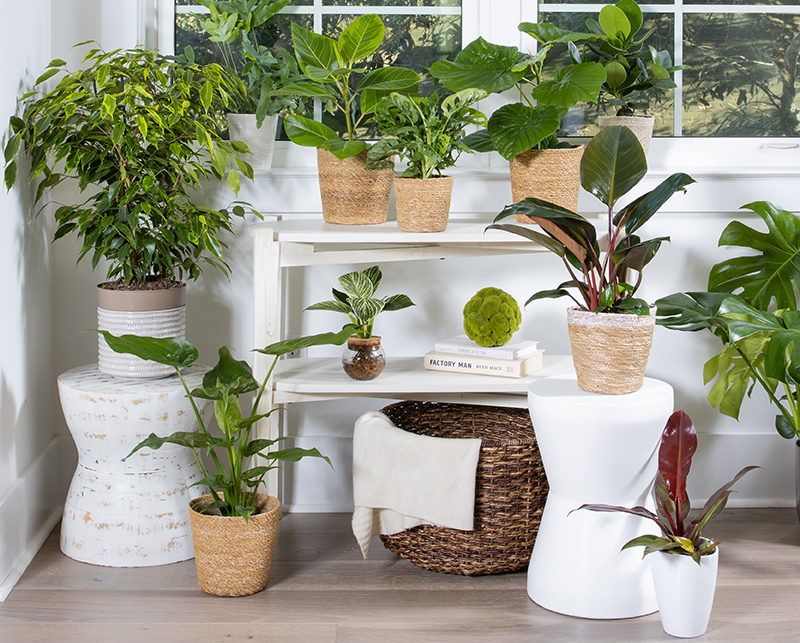
Consider material, color, and texture. Terracotta is warm and breathable but dries quickly. Ceramic offers infinite colors and glazes. Concrete and stone are industrial and modern. Woven baskets soften and warm. Metallic containers add glamour.
Match pots to your interior style. Minimalist spaces benefit from simple, monochromatic containers. Bohemian rooms welcome woven textures and patterns. Industrial spaces suit concrete and metal. The pot should complement both the plant and the room.
I invested in a set of matte white ceramic pots with subtle texture. They work with every plant I own and unify my collection visually. The initial cost was higher than plastic, but the aesthetic return has been worth it.
Height and Hierarchy
Plants at varying heights create visual interest. Use plant stands, shelves, and hanging planters to establish vertical layers. A tall plant on the floor, a medium plant on a stand, a trailing plant on a shelf, and a small succulent on a table create a composition that draws the eye through space.
Avoid placing all plants at the same level. This creates a flat, uninteresting display. Even in a small space, varying heights by six inches makes a significant difference.
Grouping and Clustering
Plants often look better in groups than in isolation. Odd numbers, three or five, create more dynamic compositions than even numbers. Combine plants of different heights, textures, and forms within a group. A tall snake plant, a bushy pothos, and a trailing philodendron create a miniature ecosystem.
Leave some negative space between groups. Crowding every surface with plants can feel cluttered rather than curated. Intentional spacing allows each plant to be appreciated.
Using Plants to Define Spaces
In open floor plans, plants can create natural divisions without walls. A row of tall plants separates a living area from a dining area. A hanging plant marks an entryway. A cluster of plants on a console table defines a foyer.
Plants also soften architectural hard lines. A trailing vine along a bookshelf edge breaks up rectilinear geometry. A tall plant in a corner fills awkward angles and draws the eye upward.
Seasonal Rotation
Move plants seasonally to refresh your space and respond to changing light. Plants that thrived in a summer window may need relocation in winter. Rotating plants also allows you to clean and assess each one regularly.
I rotate my collection quarterly. Summer brings sun-loving plants to the brightest windows. Winter moves low-light tolerant varieties to prime positions. This rotation keeps the space feeling fresh and ensures each plant receives appropriate conditions.
Caring for Aesthetic Plants
Beautiful plants require care to maintain their beauty. Neglect turns a lush monstera into a sad collection of yellowing leaves.
Light: The Foundation of Health
Understanding your light is essential. South-facing windows provide the brightest light. North-facing windows offer the least. East-facing windows provide gentle morning sun. West-facing windows deliver harsh afternoon heat.
Observe how light moves through your space throughout the day. Place sun-loving plants where they receive direct rays. Position shade-tolerant plants in bright, indirect light. Low-light plants can tolerate corners and interior rooms.
Rotate plants regularly so all sides receive light. This prevents lopsided growth toward the window.
Water: The Most Common Killer
Overwatering kills more houseplants than any other cause. Most plants prefer to dry slightly between waterings. Stick your finger into the soil. If it feels dry an inch down, water thoroughly until it drains from the bottom. If it feels moist, wait.
Different plants have different needs. Succulents and snake plants tolerate drought. Ferns and calatheas prefer consistent moisture. Learn each plant’s preferences and group plants with similar needs together.
I killed several plants through overwatering before I learned restraint. Now I err on the side of underwatering. Most plants recover from drought. Few recover from root rot.
Humidity and Temperature
Tropical plants prefer humidity levels that most homes do not provide, especially in winter when heating dries the air. Increase humidity by grouping plants, using pebble trays, or running a humidifier. Misting provides temporary relief but does not significantly raise ambient humidity.
Avoid placing plants near heating vents, air conditioners, or drafty windows. Temperature fluctuations stress plants and cause leaf drop.
Cleaning and Maintenance
Dust accumulates on leaves, blocking light and reducing photosynthesis. Wipe leaves gently with a damp cloth every few weeks. This also allows you to inspect for pests and problems.
Remove dead or yellowing leaves promptly. They drain energy and attract pests. Prune for shape and size as needed. Pinch back trailing plants to encourage bushiness.
Fertilizing
Plants in pots deplete nutrients over time. Feed during the growing season, spring through summer, with a balanced liquid fertilizer diluted to half strength. Reduce or stop feeding in fall and winter when growth slows.
Common Problems and Solutions
Even experienced plant parents encounter challenges. Here are the most common issues and how to address them.
Yellowing Leaves
Often caused by overwatering, but can also indicate nutrient deficiency, insufficient light, or natural aging of lower leaves. Assess watering habits first. If soil is consistently wet, reduce frequency. If dry, increase. Check light levels and consider fertilizing if other factors seem adequate.
Brown Leaf Tips
Usually indicates low humidity or inconsistent watering. Increase humidity around the plant. Water more consistently. Trim brown tips with clean scissors, following the natural leaf shape.
Leggy Growth
Stretched, sparse growth indicates insufficient light. Move the plant to a brighter location or supplement with grow lights. Prune leggy stems to encourage bushier regrowth.
Pests
Spider mites, mealybugs, scale, and fungus gnats are common houseplant pests. Inspect regularly. Isolate infected plants. Treat with insecticidal soap, neem oil, or manual removal. Prevention through healthy conditions is easier than cure.
Dropping Leaves
Sudden leaf drop usually indicates stress from temperature change, drafts, or overwatering. Identify the stressor and correct it. Most plants recover once conditions stabilize.
Building Your Plant Collection
Curating a plant collection is a personal journey. Here is how to approach it thoughtfully.
Start with Success
Begin with forgiving plants that build confidence. Pothos, snake plants, ZZ plants, and spider plants tolerate neglect and variable conditions. Success with these plants builds the knowledge and confidence to tackle more demanding varieties.
Add Gradually
Resist the urge to fill every surface immediately. Add one or two plants at a time. Learn their needs. Observe how they fit your space. This gradual approach prevents overwhelm and plant casualties.
Consider Your Lifestyle
Travel frequently? Choose drought-tolerant plants like succulents and snake plants. Work long hours? Avoid high-maintenance varieties that need daily attention. Have pets? Research toxicity, many common houseplants are harmful if ingested by cats or dogs.
Collect with Intention
Rather than buying plants impulsively, choose each addition for a specific purpose. A trailing plant for that high shelf. A tall plant for that empty corner. A flowering plant for the windowsill. Intentional collection creates a cohesive, beautiful result.
Propagate and Share
Many houseplants propagate easily from cuttings. Sharing plants with friends deepens connections and expands your collection without cost. A cutting from a friend’s plant carries more meaning than any store-bought specimen.
I have a shelf dedicated to propagating cuttings in water. Watching roots develop is as satisfying as watching new leaves unfurl. The plants I have shared with friends feel like a legacy.
Frequently Asked Questions
What is the best plant for beginners?
Pothos is the ultimate beginner plant. It tolerates low light, irregular watering, and neglect while growing vigorously and trailing beautifully. Snake plant is equally forgiving but offers a more architectural form.
How do I know if my plant needs water?
Stick your finger into the soil up to the first knuckle. If it feels dry, water. If moist, wait. For succulents, wait until soil is completely dry. For ferns, water when the surface feels slightly dry.
Can I grow plants in rooms without windows?
Yes, with supplemental lighting. LED grow lights provide the full spectrum plants need for photosynthesis. Position lights close to plants and run them for twelve to sixteen hours daily. Some low-light plants like ZZ and snake plants tolerate artificial light better than others.
Why do my plants keep dying?
The most common causes are overwatering, insufficient light, and temperature stress. Assess your conditions honestly. Most plants die from too much care rather than too little. When in doubt, underwater and provide more light.
How do I make my plants look like the ones in magazines?
Time, care, and proper conditions. Magazine plants are often mature specimens grown in ideal environments. Your plants will reach that stage with patience. In the meantime, focus on health over perfection. A slightly imperfect but thriving plant is more beautiful than a perfect but declining one.
Are expensive plants worth it?
Rare and expensive plants can be stunning, but they often require precise conditions and experienced care. Master common varieties before investing in rare specimens. The satisfaction of keeping a common pothos thriving is greater than killing a rare variegated monstera.
How do I travel without killing my plants?
Group plants together to increase humidity. Water thoroughly before leaving. For short trips, most plants tolerate a week without water. For longer trips, ask a friend to check on them or invest in self-watering inserts.
Final Thoughts
My friend’s apartment that first inspired me has changed over the years. Plants have grown, been replaced, been propagated. New varieties have been added. The collection has evolved. But the feeling remains. The sense of life, of care, of beauty that living plants bring to a space.
Decorative and aesthetic plants are not merely accessories. They are expressions of personality, tools of design, and connections to the natural world. The plant you choose, the pot you place it in, the location you assign it, all of these decisions shape your environment and reflect your taste.
Start with one plant. Learn its needs. Watch it grow. Then add another. Over time, you will build a collection that transforms your space into something alive, personal, and beautiful. The journey is as rewarding as the result, and the result is a home that feels like no other, because it is shaped by living things that grow and change with you.